
Certified medical cleaning is a rigorous, evidence-based hygiene process that utilises TGA-approved hospital-grade disinfectants and specific protocols to eliminate 99.99% of pathogens in clinical environments. For hospitals and clinics in Sydney, Melbourne, and Brisbane, partnering with certified medical cleaners is vital to maintaining infection control, protecting vulnerable patients, and ensuring compliance with the National Safety and Quality Health Service (NSQHS) Standards. Professional medical cleaning provides a scientifically validated level of sanitisation that standard janitorial services cannot achieve, directly reducing the risk of healthcare-associated infections (HAIs).
The Growing Need for Specialised Healthcare Hygiene
The Australian healthcare landscape is experiencing a definitive shift toward health-focused hygiene that prioritises clinical outcomes over simple aesthetics. In major metropolitan hubs like Sydney and Melbourne, medical facilities are high-traffic environments where pathogens can spread rapidly if surfaces are not adequately disinfected.
Recent statistics highlight that approximately 200,000 healthcare-associated infections occur annually across Australia, some with fatal consequences. This reality has fostered a lasting appreciation for professional-grade hygiene, moving medical facility cleaning in Brisbane and beyond toward more frequent, high-intensity deep cleaning. Unlike other industries, the stakes in healthcare are exceptionally high; a single lapse in hygiene can compromise patient safety and lead to severe regulatory repercussions.
Why “Certified” Professionals Make the Difference
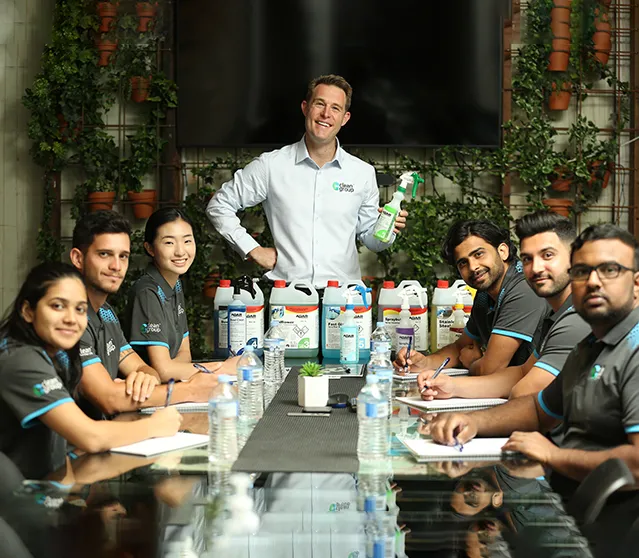
Relying on non-specialised cleaning staff often leads to “visual cleanliness” that masks underlying microbial risks. Certified medical cleaners bring a level of expertise that includes intensive orientation and ongoing training in infection control and hazardous waste management.
The Risk of Cleaning Errors
It is a sobering fact that poorly sanitised surfaces can cause more infections than direct patient contact. Certified medical cleaners mitigate this risk by following strict colour-coded systems and microfibre technology to prevent cross-contamination between wards. In hospitals, mops and cloths pose a significant risk of spreading bacteria if not managed through professional procedures involving high-heat laundering and proper disposal.
Use of TGA-Approved Disinfectants
A cornerstone of certified medical cleaning is the use of products listed on the Australian Register of Therapeutic Goods (ARTG). Hospital-grade disinfectants must comply with TGA Order 104, ensuring they possess the bactericidal and virucidal activity necessary for clinical settings. Certified teams understand that for these agents to be effective, they must be applied to a clean surface with the correct “contact time”—the duration the product remains wet on a surface to successfully kill germs.
The “Medical Deep Six”: Targeting High-Risk Zones
A strategic medical cleaning plan identifies specific areas that act as primary vectors for infection. These zones require meticulous, often daily, attention to maintain a safe environment.
- Patient Care Zones: These include beds, bed rails, call bells, and bedside tables, which are among the most frequently touched surfaces in any hospital.
- Clinical Treatment Rooms: Operating theatres and consultation rooms require the highest standards of sterile maintenance, typically necessitating “terminal cleaning” after procedures or patient discharges.
- Reception and Waiting Areas: As high-traffic zones, these areas in Sydney and Brisbane clinics accumulate dirt and germs quickly, requiring frequent sanitisation of seating and counters.
- Bathroom and Wash Facilities: Restrooms must be cleaned and disinfected at least daily, including all fixtures and surrounding wall areas, to prevent the spread of enteric pathogens.
- Staff and Kitchen Areas: Shared kitchens and break rooms are critical for staff safety; maintaining pristine conditions here supports overall workplace health and morale.
- HVAC and Air Quality Systems: Clean air is vital; inspecting and cleaning air ducts reduces the spread of airborne pathogens throughout the facility.
Verifiable Quality Through Advanced Technology
The modern approach to medical centre cleaning now includes scientific validation to move beyond “best effort” hygiene. In 2026, leading providers are integrating smart technology to provide data-backed proof of cleanliness.
Methods such as ATP (Adenosine Triphosphate) Hygiene Monitoring use swab-testing to detect organic residue that might indicate the presence of pathogens. This provides practice managers in Melbourne and Sydney with real-time data and measurable proof that their infection-control protocols are working. Furthermore, the use of fluorescent markers during audits can confirm whether cleaners have achieved full surface coverage on high-touch areas.
Frequently Asked Questions (FAQs)
- What is the difference between commercial cleaning and medical cleaning?
Commercial cleaning generally focuses on surface-level tidiness and aesthetics. In contrast, medical cleaning is a high-stakes, specialised service focused on infection control. It employs TGA-approved hospital-grade disinfectants and precise protocols to eliminate clinical pathogens that standard cleaning misses. - How do professional medical cleaners ensure compliance with Australian standards?
Professional cleaners stay updated with regulations from bodies like the National Safety and Quality Health Service (NSQHS) and state health departments. They maintain extensive documentation, including operating procedures and sign-off sheets, which are vital for facility accreditation and audits. - Why is “contact time” so important in medical disinfection?
Contact time is the duration a disinfectant must remain wet on a surface to kill microorganisms. If a product is wiped away before its specified contact time (e.g., 5 to 10 minutes), the disinfection may be ineffective, leaving behind thousands of potentially infectious bacteria. - Can medical facilities use eco-friendly cleaning products?
Yes. There is a growing demand for “green cleaning” in Australia, which uses natural, low-chemical supplies. Certified cleaners can use TGA-listed products like accelerated hydrogen peroxide, which is highly effective against a broad spectrum of germs while being non-toxic and biodegradable.
Conclusion: A Commitment to Clinical Excellence
Relying on non-specialised cleaning staff often leads to “visual cleanliness” that masks underlying microbial risks. Certified medical cleaners bring a level of expertise that includes intensive orientation and ongoing training in infection control and hazardous waste management.
The Risk of Cleaning Errors
It is a sobering fact that poorly sanitised surfaces can cause more infections than direct patient contact. Certified medical cleaners mitigate this risk by following strict colour-coded systems and microfibre technology to prevent cross-contamination between wards. In hospitals, mops and cloths pose a significant risk of spreading bacteria if not managed through professional procedures involving high-heat laundering and proper disposal.
Use of TGA-Approved Disinfectants
A cornerstone of certified medical cleaning is the use of products listed on the Australian Register of Therapeutic Goods (ARTG). Hospital-grade disinfectants must comply with TGA Order 104, ensuring they possess the bactericidal and virucidal activity necessary for clinical settings. Certified teams understand that for these agents to be effective, they must be applied to a clean surface with the correct “contact time”—the duration the product remains wet on a surface to successfully kill germs.
The “Medical Deep Six”: Targeting High-Risk Zones
A strategic medical cleaning plan identifies specific areas that act as primary vectors for infection. These zones require meticulous, often daily, attention to maintain a safe environment.
- Patient Care Zones: These include beds, bed rails, call bells, and bedside tables, which are among the most frequently touched surfaces in any hospital.
- Clinical Treatment Rooms: Operating theatres and consultation rooms require the highest standards of sterile maintenance, typically necessitating “terminal cleaning” after procedures or patient discharges.
- Reception and Waiting Areas: As high-traffic zones, these areas in Sydney and Brisbane clinics accumulate dirt and germs quickly, requiring frequent sanitisation of seating and counters.
- Bathroom and Wash Facilities: Restrooms must be cleaned and disinfected at least daily, including all fixtures and surrounding wall areas, to prevent the spread of enteric pathogens.
- Staff and Kitchen Areas: Shared kitchens and break rooms are critical for staff safety; maintaining pristine conditions here supports overall workplace health and morale.
- HVAC and Air Quality Systems: Clean air is vital; inspecting and cleaning air ducts reduces the spread of airborne pathogens throughout the facility.
Verifiable Quality Through Advanced Technology
The modern approach to medical centre cleaning now includes scientific validation to move beyond “best effort” hygiene. In 2026, leading providers are integrating smart technology to provide data-backed proof of cleanliness.Methods such as ATP (Adenosine Triphosphate) Hygiene Monitoring use swab-testing to detect organic residue that might indicate the presence of pathogens. This provides practice managers in Melbourne and Sydney with real-time data and measurable proof that their infection-control protocols are working. Furthermore, the use of fluorescent markers during audits can confirm whether cleaners have achieved full surface coverage on high-touch areas.
Conclusion: A Commitment to Clinical Excellence
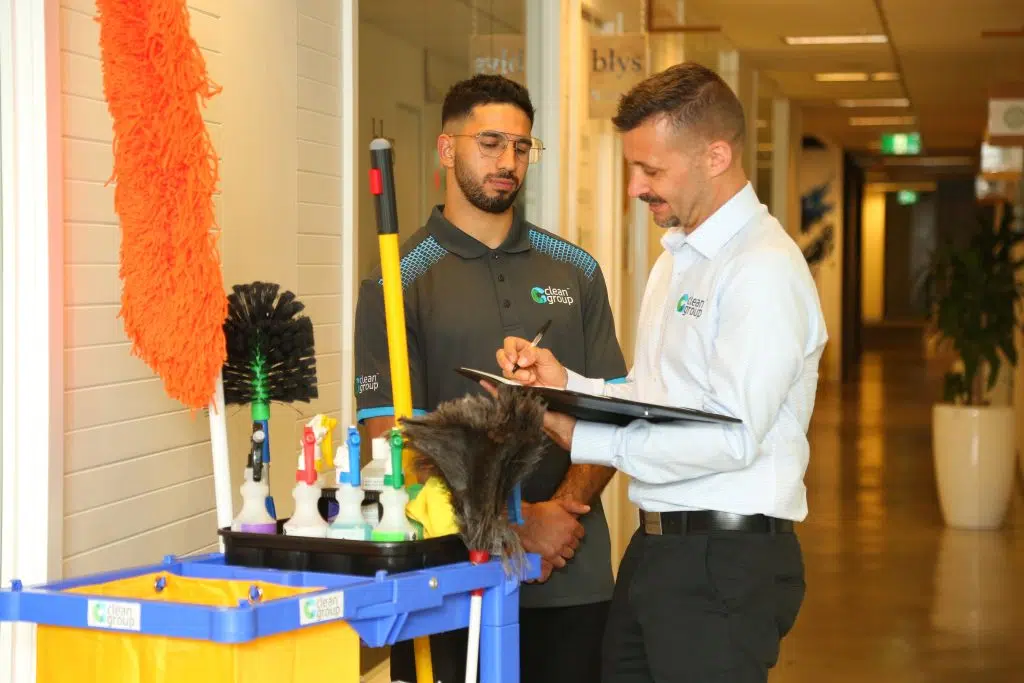
Partnering with a certified cleaning provider is a strategic investment in the operational integrity and reputation of an Australian healthcare facility. From the bustling hospitals of Sydney to specialised medical centres in Melbourne and Brisbane, the shift toward professionalised, technology-led hygiene is essential for meeting 2026 safety standards. By targeting high-risk zones and utilising scientifically validated methods, medical facilities can focus on their primary mission: providing exceptional patient care in a safe, spotless environment.
Frequently Asked Questions
About the Author

Suji Siv
Hi, I'm Suji Siv, the founder, CEO, and Managing Director of Clean Group, bringing over 25 years of leadership and management experience to the company. As the driving force behind Clean Group’s growth, I oversee strategic planning, resource allocation, and operational excellence across all departments. I am deeply involved in team development and performance optimization through regular reviews and hands-on leadership.
Read More About Suji
 Get A Quote