Poor Retail Cleaning Affects Customer Experience
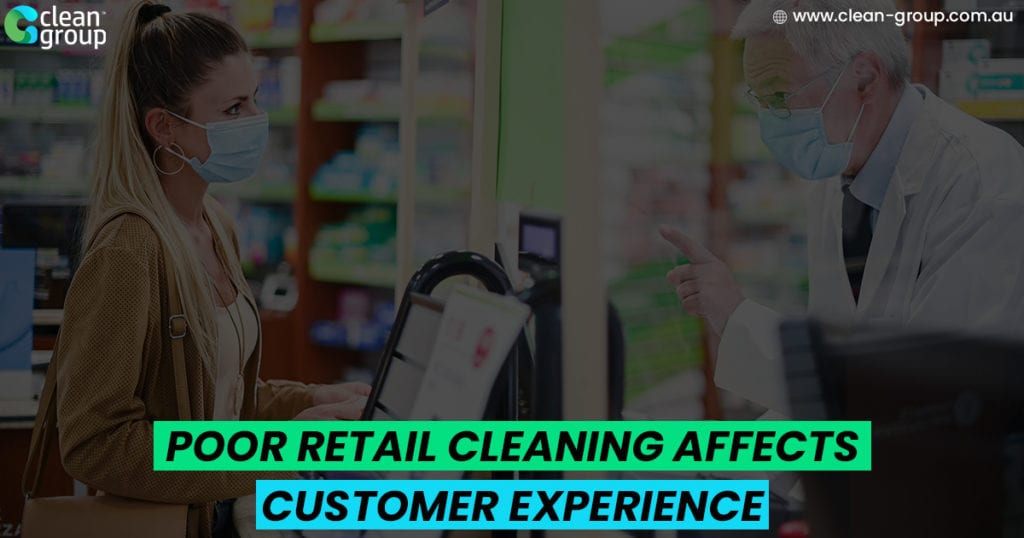
Shoppers form a first impression within seconds of entering a retail space, and visible dirt, smudged glass or unpleasant odours override every other brand signal on display. Consumer research consistently shows that around 80 percent of customers rank basic store hygiene among the most important factors in their shopping experience — ahead of product range and even staff friendliness. For Australian retailers competing against frictionless online alternatives, the physical environment is one of the few advantages a bricks-and-mortar location still holds. Neglecting it hands that advantage directly to competitors. Our retail cleaning sydney team ensures top-quality results every time.
How Poor Hygiene Drives Customers Away
A widely cited US consumer study of more than 1,000 adults found that 99 percent would refuse to return to a store they considered poorly maintained. Dirty restrooms and unpleasant odours topped the list of deterrents — scoring higher even than poor customer service. Stained floors, dusty shelving and greasy window fronts followed closely behind. In Australia, where foot traffic in suburban shopping centres and high-street strips faces ongoing pressure from e-commerce, losing even a small percentage of walk-in customers to hygiene complaints creates a revenue gap that marketing spend alone cannot close.
The Link Between Store Presentation and Dwell Time
Visual merchandising teams invest heavily in layout, lighting and signage to extend dwell time — the minutes a shopper spends browsing before deciding to purchase. A sticky floor tile near the entrance or a fingerprint-covered display case undercuts that investment instantly. Retail psychology research links perceived cleanliness to perceived product quality: when the environment feels neglected, shoppers unconsciously downgrade the value of the merchandise inside it. The reverse also applies — a well-maintained store reinforces premium positioning and justifies higher price points without a single word of sales copy.
Critical Zones That Demand Attention
Not every square metre carries equal weight. High-impact zones include the entrance threshold (where first impressions form), customer-facing glass and mirror surfaces, fitting rooms, checkout counters and restrooms. Floors throughout the sales area accumulate scuff marks, gum residue and tracked-in soil that dull the finish within hours of opening. A structured maintenance schedule assigns frequencies to each zone based on foot traffic volume — entrance matting vacuumed twice daily, glass polished every morning, restrooms checked hourly during peak trade, and hard floors auto-scrubbed after closing.
Staff Morale and Operational Efficiency
Retail employees who work in visibly neglected environments report lower job satisfaction and higher turnover — a costly cycle for store managers already dealing with tight labour markets. When hygiene tasks fall to sales staff on top of their primary responsibilities, customer-facing service suffers. Outsourcing facility maintenance to a specialist provider frees the team to focus on merchandising, stock replenishment and the personalised service that converts browsers into buyers. The Fair Work Act 2009 and WHS Act 2011 also place obligations on employers to maintain safe, hygienic conditions; documented professional service records simplify compliance and reduce the risk of improvement notices from SafeWork NSW inspectors.
Turning Hygiene Into a Competitive Advantage
Rather than treating maintenance as a background cost, forward-thinking retailers integrate it into their customer-experience strategy. Mystery-shopper programs that include hygiene scoring, real-time feedback kiosks near exits, and quarterly deep-restoration schedules (strip-and-seal hard floors, hot-water extraction of entrance mats, high-level dust removal from display racking) create a measurable improvement loop. When positive online reviews mention a store’s presentation — and Australian research shows a 30 percent uplift in favourable reviews within three months of upgrading maintenance programs — the investment pays for itself through organic reputation growth.
Clean Group’s retail division services shopping centres, boutique strips and standalone stores across Sydney with scheduled daily, weekly and periodic deep-restoration programs tailored to each site’s trading hours and foot-traffic patterns. Every engagement includes documented checklists, zone-based frequency plans and responsive call-out support — so your shopfront stays as inviting at closing time as it was at opening.
For more helpful insights, explore our guide on Store Cleaning Procedure in Sydney.
About the Author

Stephen Matthews
Hi, my name is Steve. I have been working as a Regional Operations Manager in Sydney Clean Group for almost four years now and manage a team of 10. I have more than three decades of experience in the commercial cleaning industry. My responsibilities include the day-to-day management of cleaning operations, planning, online quotation to clients, managing cleaners’ performance, collecting clients\' feedback, and ensuring proper & regular maintenance of cleaning equipment. Get in touch for a quick chat about your cleaning needs.
Read More About Stephen 0291607469
 Get A Quote