Cleaning Problems for Factories – No Problem! When To Call Warehouse Cleaning Services
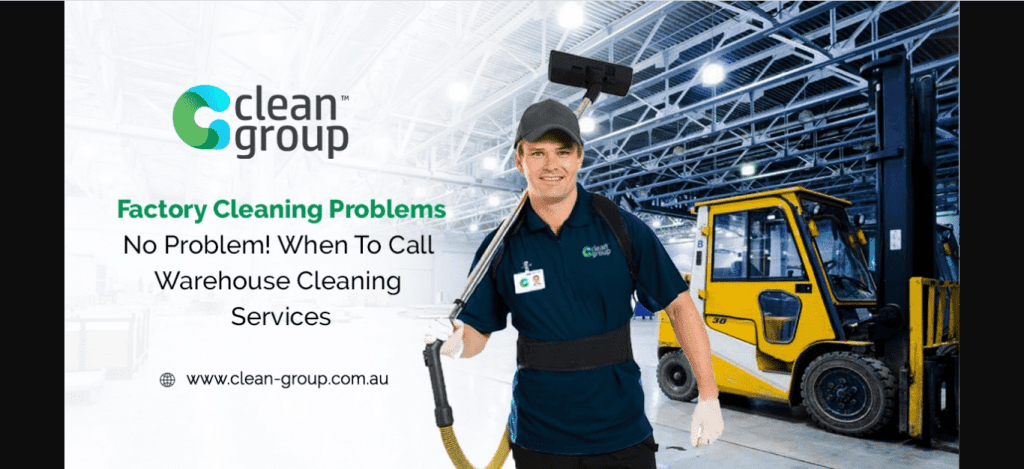
Many industries rely on professional cleaners to maintain the health and safety of their employees and customers. commercial care is entirely different to industrial sanitation. cleaning services Our warehouse cleaning sydney team ensures top-quality results every time.
The definition of commercial hygiene services is too broad, and the demands of the job differ from one another. In this article, we will talk about the common issues that care companies encounter on a day-to-day basis.
Industrial cleaners offer cleaning solutions to places like factories, warehouses, and schools. It can also include pressure washing and industrial floor care with superior sanitation equipment and hygiene products.
factory sanitation and warehouse sanitation can be dirty work. It is not as simple as commercial care. industrial sanitation can mean that clients expect the cleaner to do a tough job.
Can you imagine what the floors in a factory setting look like? Apart from the extra amount of dirt and grime that pile up quickly, the floor needs to be safe from all kinds of hazards to deliver a totally satisfactory experience to your clients. industrial sanitation has a higher demand.
The cleaner needs to perform the job in a more challenging manner, considering that sometimes, factory sanitation requires a 24- hour operation. the upkeep has to be round the clock as well. Cleaners need to work with the factory’s employees at the same time.
industrial sanitation services handle both heavy and light janitorial tasks for different industries like warehouse sanitation, pressure washing, office care, and floor care.
The requirements for factory sanitation services are different from office and retail cleaners. industrial sanitation can expose cleaners to hazardous and unsafe situations. See our guide on warehouse cleaning.
The cleaners who will be tasked with industrial sanitation services should be knowledgeable about the use of the proper equipment, and chemicals require for the job.
It requires intensive labour which is often necessary for pressure washing and warehouse sanitation. The industrial sanitation Melbourne market is as big as the market in Sydney, NSW.
Types of industrial sanitation
- Cleaning of tank
- Cleaning of tube
- Cleaning of silo
- Cleaning of water pipe
- Removal of coating
- Removal of paint
- Cleaning of conveyor
- Cleanup of the hazardous chemical spill
- Cleaning of HVAC
- Cleaning of tank
factory sanitation services Overview
factory sanitation is one of the most challenging types of industrial sanitation. It requires specialized kinds of machinery and complex cleaning chemicals.
Industrial cleaners Melbourne caters to many factories and upkeep warehouses. factory sanitation services require the use of the latest technologies and techniques in Sydney to deliver the highest positive experience in warehouse sanitation.
Some of them work regularly, and few accept one-off contracts. Most of the care companies in Sydney which offer factory sanitation and warehouse sanitation use different hygiene products that can give the best cleaning results.
warehouse sanitation can be tailored fit depending on the client’s requirements. Factories and warehouses can hold so much dust, dirt, and other debris that can be hazardous to a person’s health and safety.
Hiring a professional cleaner who can provide these services will be your best bet in Sydney.
Cleaning Warehouse and Factory Scope of Work
- The superb quality of routine maintenance
- Carpet or floor steam cleaning
- deep sanitation of equipment and machines
- Maintenance and regular floor care
- Hygiene routine maintenance
- Cleaning of cable trays
- Special cleaning to lighting
- Cleaning of common areas
- Steam cleaning of upholsteries
- Internal and external window washing
- Collection and removal of rubbish
- Maintaining the cleanliness of toilets and washrooms
Factory and Warehouse Biggest Cleaning Challenges in Sydney
The services required are something new to you. Even if you are an experienced cleaner and you have spent decades in cleaning services, there will always come a time that something is new to you.
factory sanitation requirement is special, and they may require a different approach from time to time. If you encounter something new, we suggest that you break the job down into little pieces and understand the principle behind it. Use the best chemical and equipment that you think is best to get an excellent result.
window washing – window washing is not easy, especially if you have to reach a high window ceiling and external glasses. This requires effort and expertise.
Most of the glasses in factories and warehouses are embedded with dirt, chemical stains and debris from the production. It may take time to achieve the best results. In Sydney, a lot of professional cleaners can be contacted.
Graffiti– it is also difficult to analyze why factories and warehouses are more prone to vandalism. We cannot let graffiti not be attended because it will attract more vandals to put more graffiti. It is really a challenge to remove paint from any surface.
professional maintenance services in Sydney know a different approach that will be safe on any surface.
Cleaning of emergency and exit zones– In Sydney, NSW, the government had designed legal requirements on how these areas need to be maintained. The factory and warehouse need to have these areas clean and clear from clutter. These services are always part of factory sanitation in Sydney.
Grease – The production floor is always prone to grease and slippery oils. Paints and oil residues pose a severe health hazard. Removing and scrubbing grease and oil from the floor can consume time and a whole deal of effort.
Cleaning services can remove these factory floor impurities that will leave the floor squeaky clean.
Plain Dirty – The factory floor is always busy. Workers and managers put their productivity above anything else. Factory dirt can be an eyesore. When not attended to, dirt can be deeply situated on corners and surfaces along with the other chemical residues.
Fire Prevention and Safety in Factory Cleaning
Accumulated dust, oil residue, and chemical deposits inside factories are direct fuel sources for industrial fires, making fire prevention one of the most critical reasons to maintain a strict cleaning schedule. Combustible dust alone is regulated under SafeWork Australia’s Workplace Health and Safety (WHS) guidelines, and facilities that process timber, textiles, metal powders, or food ingredients must control airborne and settled particles to stay below the minimum explosible concentration threshold.
High-risk zones include extraction ducts, overhead beams, electrical switchboards, and areas around welding bays where grease films combine with heat sources. Professional factory cleaning teams use HEPA-filtered industrial vacuums, anti-static scrubbers, and degreasing agents certified to Australian Standard AS 1940 for flammable and combustible liquids storage. Regular deep cleaning of these zones reduces ignition potential, supports compliance with Fire and Rescue NSW inspection requirements, and lowers insurance premiums tied to fire-risk assessments conducted by underwriters.
Minimizing Production Downtime During Factory Cleaning
Scheduling factory cleaning without disrupting manufacturing output requires coordination between facility managers, production supervisors, and the commercial cleaning provider. Factories operating two or three shifts across a 24-hour cycle have limited windows for deep cleaning, and poorly timed interventions can halt assembly lines, delay order fulfilment, and increase per-unit labour costs.
The most effective approach uses a zoned cleaning methodology, where the factory floor is divided into sections that are cleaned on a rotating basis during planned maintenance shutdowns or shift changeovers. Ride-on scrubber-dryers and walk-behind sweepers from manufacturers such as Tennant and Nilfisk can cover large concrete floor areas in a fraction of the time manual mopping requires, cutting cleaning duration by up to 60 percent. Pairing this equipment with a documented cleaning schedule aligned to the facility’s production calendar ensures consistent hygiene standards under HACCP, ISO 22000, or GMP frameworks without sacrificing throughput. For tailored scheduling solutions, speak with our Sydney factory cleaning specialists.
Frequently Asked Questions
What is the biggest fire risk from poor factory cleaning?
Combustible dust accumulation is the leading fire hazard in factories that handle timber, grain, metal powders, or textiles. When fine particles settle on overhead beams, extraction ducts, and electrical panels, they can ignite from a single spark or heat source. Regular industrial vacuuming with HEPA-filtered equipment and degreasing of surfaces near welding bays are the most effective preventive measures under SafeWork Australia guidelines.
How often should a factory be deep cleaned to prevent fire hazards?
The frequency depends on the materials processed and the dust generation rate inside the facility. High-risk factories handling flammable chemicals or combustible powders typically require monthly deep cleans of overhead structures and quarterly cleaning of ventilation systems, aligned with Fire and Rescue NSW inspection standards and the facility’s own risk assessment schedule.
Can factory cleaning be done without stopping production?
Yes. A zoned cleaning methodology divides the factory into sections that rotate through cleaning during shift changeovers or planned maintenance windows. Using ride-on scrubber-dryers and industrial sweepers allows cleaning teams to cover large floor areas quickly, reducing the overlap between cleaning and active production to a minimum.
What equipment reduces factory cleaning time the most?
Ride-on scrubber-dryers and walk-behind sweepers from industrial manufacturers such as Tennant and Nilfisk deliver the largest time savings on concrete and epoxy factory floors. These machines combine sweeping, scrubbing, and drying in a single pass, which can reduce floor-cleaning duration by up to 60 percent compared with manual mopping and bucket methods.
How do you align factory cleaning with food safety or GMP compliance?
Facilities operating under HACCP, ISO 22000, or Good Manufacturing Practice frameworks require documented cleaning schedules that specify chemicals, contact times, equipment, and verification methods. The cleaning provider must coordinate directly with the production supervisor to ensure sanitation occurs within approved windows and that all records are audit-ready for regulatory inspections by bodies such as the NSW Food Authority.
industrial sanitation in Sydney is a competitive business. A lot of business owners are now considering hiring professionals who can do the upkeep with the highest standard because of the COVID scare.
There are a lot of things that you need to consider if you want to venture into this field. Contact us by putting a message below if you’re going to ask questions about factory and warehouse sanitation.
We will be more than willing to share our knowledge with you. Our experience in the upkeep business is more than enough for us to say that we know what we are talking about.
Please share this article and drop us a comment below for any topic suggestions that you want us to talk about on our next blog.
For more helpful insights, explore our guide on why your warehouse needs professional cleaning services.
About the Author

Beau Sleeman
Hi, I’m Beau, a full-time accountant and part-time writer at Clean Group. With over ten years of industry experience managing company accounts and records, I’m responsible for keeping everything organised. I have worked with multiple cleaning companies to help successfully manage their businesses and generate profits while ensuring the best value for money for their customers. I also actively engage in the process of creating personalised cleaning packages based on customers’ needs and designed to be affordable for them.
Read More About Beau 0291607469
 Get A Quote