Why Is Childcare Cleaning Solutions Important?
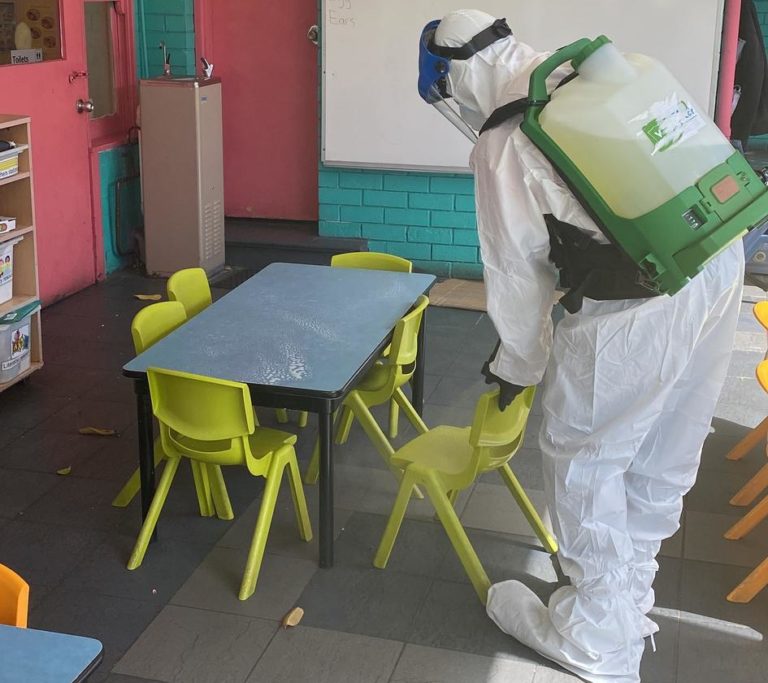
Professional hygiene programs in childcare centres serve a purpose that goes well beyond appearance. Children in group care settings experience six to eight respiratory infections per year on average — roughly double the rate of children cared for at home — because shared toys, communal eating surfaces and close physical contact create ideal conditions for pathogen transmission. Choosing the right provider, products and protocols determines whether a centre controls that transmission or simply reacts to outbreaks after they happen. childcare cleaning Our childcare facility cleaning team ensures top-quality results every time. Our childcare facility cleaning team ensures top-quality results every time. Our childcare facility cleaning team ensures top-quality results every time.
Why In-House Staff Cannot Replace Specialist Providers
Educators and support workers already manage ratios, programming, meal preparation and regulatory documentation throughout the day. Adding structured sanitation tasks — including correct dilution of disinfectants, adherence to contact times, colour-coded cloth systems and HEPA-filtered vacuuming — stretches their capacity and introduces compliance risk. A professional childcare hygiene provider brings purpose-built equipment, trained operatives and documented procedures that satisfy ACECQA’s Quality Area 2 assessment criteria without diverting educators from their primary role of caring for children. See our guide on childcare cleaning.
Allergen and Particulate Removal
Dust mites, pollen, pet dander tracked in on clothing, and mould spores from damp craft areas accumulate in carpet fibres, soft furnishings and HVAC ductwork. For children with asthma or allergic rhinitis — conditions that affect roughly one in five Australian children according to the Australian Institute of Health and Welfare (AIHW) — elevated indoor allergen levels trigger symptoms that lead to medication use, parental collection and lost care days. HEPA-filtered backpack vacuums capture particles down to 0.3 microns, and periodic hot-water extraction of carpets and upholstery flushes embedded biological material that surface vacuuming misses entirely.
Germ Reduction Through Structured Disinfection
The NHMRC’s Staying Healthy guidelines prescribe a two-step process for environmental surfaces in childcare: remove visible soil with a neutral detergent, then apply a TGA-listed disinfectant at the correct dilution and allow full contact time before the surface is reused. Skipping the detergent step or wiping the disinfectant dry too early drastically reduces efficacy — a common shortcut when untrained staff rush through end-of-day routines. Professional providers build dwell-time compliance into their workflow so every surface receives the prescribed chemical exposure, and high-touch zones like door handles, light switches, cot rails and highchair trays are treated multiple times during occupied hours rather than once at close of business.
Protecting Fixtures, Furniture and Flooring
Childcare furniture endures spills, art materials, food residue and heavy daily use. Without appropriate product selection, surfaces degrade — timber finishes cloud, vinyl seats crack, and carpet fibres matt from embedded grit acting as an abrasive underfoot. Professional technicians match product chemistry to surface material: pH-neutral solutions for sealed timber, non-solvent formulations for vinyl, and low-moisture encapsulation for carpet tiles that cannot tolerate extended wet-drying times. This precision approach extends fixture life, delays capital replacement and keeps the centre looking fresh for parent tours and ACECQA visits.
Systematic Checklists and Compliance Documentation
Ad-hoc tidying leaves gaps that become visible only during an assessment or outbreak investigation. Professional providers operate from zone-based checklists that assign frequencies to every surface category — daily, twice-daily, weekly and periodic deep tasks — with sign-off records that create an auditable trail. These documents demonstrate compliance with the Education and Care Services National Regulations (Chapter 4, Part 4.2) and simplify evidence gathering when a centre prepares for its ACECQA rating visit.
Clean Group’s childcare teams service centres across Sydney, Melbourne and Brisbane with programs mapped to the NHMRC Staying Healthy framework. Every engagement includes TGA-listed low-toxicity products, HEPA-grade equipment, colour-coded microfibre systems and monthly compliance reports — giving operators the documented assurance that their hygiene standards meet both parental expectations and regulatory benchmarks. Contact our team to discuss a tailored program built around your centre’s specific layout, enrolment capacity and operating schedule.
For more helpful insights, explore our guide on complete childcare cleaning hygienic environment guide.
For more helpful insights, explore our guide on complete childcare cleaning hygienic environment guide.
For more helpful insights, explore our guide on complete childcare cleaning hygienic environment guide.
About the Author

Amelia Annand
Hi, my name is Amelia. I am a commercial cleaning operations manager at Clean Group Sydney. My duties include handling customer support responsibilities and I manage a team of 10+ fully trained support professionals. Besides managing a team of experts and maintaining communication between clients and cleaners’ teams, I handle customers’ complaints and grievances, especially the ones that need special or immediate attention. If you need help sorting out the best cleaning for you or have a complaint, feel free to connect.
Read More About Amelia 0291607469
 Get A Quote