School Maintenance Checklist and Cleaning Schedule — Complete Australian Guide
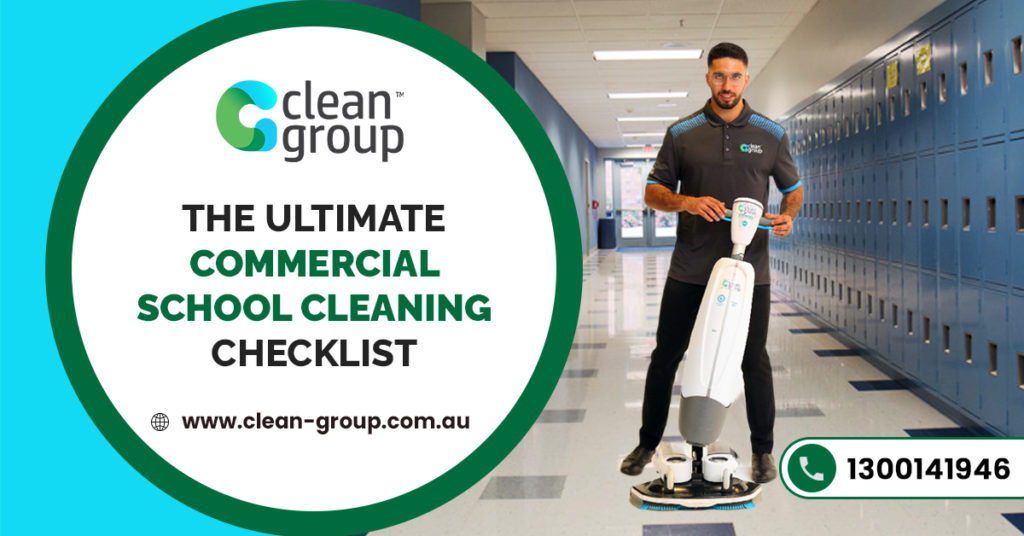
Australian schools serve as learning environments for over 3.5 million students, and the quality of their physical facilities directly impacts student wellbeing, academic performance, and staff safety. Professional school cleaning services tailored for educational facilities go far beyond basic tidying—they encompass comprehensive hygiene management, compliance with workplace health and safety legislation, and the creation of spaces where students thrive. This guide provides Australian school administrators, facility managers, and cleaning coordinators with a complete roadmap for maintaining school cleanliness and ensuring compliance with NSW, Victorian, and national standards.
Why School Cleaning Matters: Creating Safe and Healthy Learning Environments
The Australian Education Union emphasises that clean school facilities are foundational to student safety and learning outcomes. When schools implement rigorous cleaning protocols, they reduce transmission of contagious illnesses such as influenza and gastroenteritis, which commonly affect school communities during winter months. SafeWork NSW data demonstrates that schools with documented cleaning standards experience fewer worker compensation claims related to slips, trips, and falls—incidents often caused by inadequate floor maintenance.
Beyond safety, cleanliness demonstrates institutional care. Students attending well-maintained schools develop positive attitudes toward environmental stewardship and personal hygiene. The NSW Department of Education recognises that facility standards influence school reputation and parental confidence. When classrooms, toilets, and communal areas are visibly clean and odour-free, students are more likely to respect the space and maintain good hygiene practices themselves. This creates a positive feedback loop where school culture increasingly supports cleanliness as a shared value.
How Often Australian Schools Need Professional Cleaning and What the Regulations Require
The Work Health and Safety Act 2011 (Commonwealth) establishes that Australian schools, as workplaces, must provide a clean and hygienic environment. SafeWork NSW, the regulator for schools in New South Wales, expects schools to develop cleaning schedules that address specific hazards identified in their risk assessments. The NSW Department of Education’s School Infrastructure Standards mandate minimum cleaning frequencies based on facility type and usage intensity.
Most Australian schools operate under a three-tier cleaning model: Daily cleaning addresses high-traffic areas, touch points, and sanitary facilities. Toilets are cleaned and disinfected at least twice per school day in primary schools and once per day in secondary settings (SafeWork NSW recommends increased frequency during illness outbreaks). Floors in classrooms, corridors, and communal spaces are swept, vacuumed, or mopped daily. Weekly deep cleaning includes window washing, wall sanitisation, and thorough floor maintenance using rotary equipment in larger spaces. Term-break or holiday cleaning typically involves intensive four- to six-week programs where schools undertake projects including carpet shampooing, high-level window cleaning, and exterior grounds maintenance that cannot be scheduled during operational school days.
| Cleaning Tier | Frequency | Scope | Regulatory Basis |
|---|---|---|---|
| Tier 1 — Daily | Every school day | Toilets (2× primary, 1× secondary), floors, bins, high-touch surfaces, canteen wipe-down | WHS Act 2011, SafeWork NSW guidance |
| Tier 2 — Weekly | Once per week | Window washing, wall sanitisation, rotary floor scrubbing, deep bathroom cleaning | NSW Dept of Education Infrastructure Standards |
| Tier 3 — Term-Break | Each school holiday period (4–6 weeks) | Carpet shampooing, high-level cleaning, exterior pressure washing, HVAC servicing, equipment inspection | SafeWork NSW, Cleaning Accountability Framework |
| Outbreak Response | As triggered (2+ cases in 10 days) | Terminal disinfection of all affected areas using ARTG-registered products | NSW Health Public Health Act 2010, NHMRC Guidelines |
What a Professional School Cleaning Service in Sydney Covers Beyond the Daily Routine
Professional school cleaning services in Sydney, such as those operated by major facility management contractors, provide specialised capabilities beyond standard daily maintenance. Rotary scrubber technology, supplied by companies such as NACECARE Solutions, enables deep floor restoration in gymnasiums, multipurpose halls, and high-traffic corridors—removing embedded dirt and restoring floor finish without damaging underlying surfaces. These machines reduce cleaning time by 40–50% compared to manual methods while improving results.
Bathroom sanitation represents a critical specialisation. Professional cleaners use phosphoric acid-based toilet cleaners (e.g., Ecolab Epicsan) which dissolve mineral deposits and biofilm without corroding porcelain fixtures. They apply hospital-grade disinfectants to all touch points—taps, door handles, paper towel dispensers—using contact time protocols that comply with product instructions and ARTG (Australian Register of Therapeutic Goods) requirements. This approach eliminates surface-dwelling pathogens more effectively than standard household cleaners.
Canteen and food preparation areas require specialised cleaning aligned with Food Standards Australia and New Zealand (FSANZ) Code 3.2.2, which governs food business facility design and cleanliness. Professional services ensure stainless steel benchtops are sanitised, grease traps are serviced, and floors are treated with slip-resistant coatings. Schools with on-site kitchens benefit from contractors with food safety certifications, reducing the risk of foodborne illness outbreaks. Additionally, professional services apply ARTG-registered disinfectants to high-touch surfaces—light switches, door handles, handrails—using evidence-based contact times to eliminate viruses including influenza and norovirus, particularly important during outbreak periods when enhanced disinfection is mandatory under NSW Health protocols.
How Much Commercial School Cleaning Costs in Sydney and What Drives the Price
Commercial school cleaning costs in Sydney range from $4.50 to $9.00 per square metre per month for routine daily and weekly services, depending on facility size, cleanliness standards, and contractor experience. A typical primary school (5,000–8,000 sqm) might spend $22,500–$60,000 annually on ongoing cleaning, while a large secondary school (12,000–20,000 sqm) could reach $90,000–$180,000 per year. Term-break deep cleaning programs add $3,000–$8,000 for primary schools and $8,000–$20,000 for secondary schools, charged either as a per-week rate or a lump sum based on facility scope.
Several factors drive pricing variation. Schools with multiple toilet blocks, science laboratories, food preparation areas, or sports facilities incur higher costs due to specialised cleaning requirements and product selection. Compliance documentation—including daily cleaning logs, photographic evidence of term-break work, and ARTG product certification records—requires trained personnel, adding to labour costs. Schools in outer metropolitan areas may face increased pricing due to travel time. Additionally, contractors following the Cleaning Accountability Framework (CAF), developed by the Cleaning Industry Taskforce, invest in staff training, quality assurance audits, and compliance verification systems, which elevate prices but deliver verifiable results for school administrators and SafeWork NSW inspectors.
| School Type | Facility Size (sqm) | Annual Routine Cleaning | Term-Break Deep Clean |
|---|---|---|---|
| Small Primary School | 3,000–5,000 | $13,500–$45,000 | $3,000–$5,000 |
| Large Primary School | 5,000–8,000 | $22,500–$60,000 | $5,000–$8,000 |
| Small Secondary School | 8,000–12,000 | $36,000–$108,000 | $8,000–$12,000 |
| Large Secondary School | 12,000–20,000 | $54,000–$180,000 | $12,000–$20,000 |
Infection Control and Outbreak Response Cleaning Protocols for Schools
When cases of gastroenteritis or influenza emerge within a school, the NSW Health Public Health Act 2010 requires school principals to notify the local Public Health Unit and implement enhanced cleaning protocols. SafeWork NSW guidance specifies that cleaning must transition from routine schedules to outbreak response mode, typically triggered when two or more cases are confirmed within a 10-day period in the same year level or class.
Outbreak cleaning protocols require use of ARTG-registered disinfectants with documented contact times appropriate to the pathogen. For norovirus (a common cause of gastroenteritis in schools), sodium hypochlorite solution at 1000 parts per million (ppm) applied for 30 seconds is the evidence-based standard per NHMRC Australian Guidelines for the Prevention and Control of Infection in Healthcare. Influenza requires alcohol-based disinfectants (70% isopropyl alcohol) applied to all touch points, with emphasis on light switches, keyboards, door handles, and shared equipment in staffrooms. The principal’s role involves documenting the trigger event, authorising enhanced cleaning expenditure, and coordinating with the cleaning contractor to ensure all affected areas (classrooms, bathrooms, common spaces, bus zones) receive terminal cleaning—a complete disinfection distinct from routine daily maintenance. NSW Health and NHMRC guidelines distinguish between routine cleaning (removal of visible dirt) and terminal cleaning (complete disinfection after confirmed cases), with terminal cleaning typically requiring professional contractors with outbreak expertise and appropriate product inventory.
School Cleaning Audit Documentation and Compliance Reporting
SafeWork NSW workplace inspectors assess school compliance with WHS obligations by examining facility condition and cleaning documentation. The Education Act 1990 requires NSW schools to maintain records demonstrating that facilities meet standards. Documented cleaning audit trails—daily logs, completion records, and product documentation—are the principal evidence that a school has fulfilled its duty of care. Schools without audit records risk non-compliance findings and potential enforcement action.
Effective cleaning logs structure information by task, date, time, product used (including ARTG registration number for disinfectants), and staff initials. Digital audit platforms such as iAuditor (SafetyCulture) enable schools to photograph areas before and after cleaning, timestamp records with GPS data, and generate compliance reports automatically—advantages over paper logs that are vulnerable to loss or tampering. For term-break deep cleans, photographic evidence is essential; contractors should supply before, during, and after images organised by area (classrooms, hallways, bathrooms, gymnasium, canteen). Monthly compliance reports from cleaning contractors should itemise tasks completed, deviations from schedule (and reasons), product lot numbers used, and staff certifications. The Cleaning Accountability Framework recommends that these reports be cross-referenced with school maintenance logs to ensure continuity and identify emerging issues.
Indoor Air Quality and Sustainable Cleaning Practices for Schools
NHMRC research demonstrates a strong correlation between indoor air quality (IAQ) and student health outcomes, cognitive function, and absenteeism rates. Schools with poor IAQ experience higher rates of respiratory infections and reduced academic performance compared to facilities with optimised IAQ. Classroom CO₂ levels, which escalate rapidly in occupied rooms with inadequate ventilation, directly impact student concentration. The NABERS (National Australian Built Environment Rating System) Indoor Environment Quality module provides schools with frameworks for measuring and improving IAQ.
HVAC (heating, ventilation, air conditioning) filter replacement schedules are integral to IAQ management. Standard classroom HVAC filters should be replaced every 60–90 days in schools with high occupancy density; portable air purifiers with HEPA filters should be serviced according to manufacturer recommendations (typically monthly in educational settings). Schools transitioning to low-toxicity cleaning products must avoid high-VOC (volatile organic compound) cleaners, which elevate indoor pollutant concentrations during and after application. The Therapeutic Goods Administration (TGA) maintains a register of approved disinfectants; schools should preferentially source TGA-registered products with low-VOC formulations. GECA (Good Environmental Choice Australia) certifies cleaning products meeting strict environmental and health safety criteria; GECA-certified disinfectants are effective against pathogens while minimising indoor air contamination. The Green Building Council of Australia’s Green Star – Education rating system awards points to schools implementing IAQ management programs, including low-toxicity cleaning practices. Practical transition strategies include conducting a product audit (identifying high-VOC cleaners currently used), piloting GECA-certified alternatives in lower-risk areas (offices, staff rooms), and training staff on application methods that minimise vapour release (e.g., spray application with ventilation windows open, rather than bulk bucket dilution in enclosed classrooms).
School Cleaning Checklist: Daily, Weekly, and Term-Break Tasks
A comprehensive school cleaning checklist organises tasks into daily, weekly, and term-break categories to ensure nothing is overlooked. This checklist aligns with SafeWork NSW expectations and the requirements embedded in a school deep clean scope of work. Use this checklist as a baseline and adapt it to your school’s layout and operational requirements.
| Frequency | Area | Key Tasks | Products / Equipment |
|---|---|---|---|
| Daily | Classrooms & Corridors | Vacuum carpets, sweep and mop hard floors, empty bins, wipe desks | pH-neutral floor cleaner, ARTG-registered disinfectant |
| Daily | Bathrooms & Toilets | Disinfect toilet bowls and touch points, replenish supplies, mop floors | Phosphoric acid toilet cleaner, hospital-grade disinfectant |
| Daily | High-Touch Surfaces | Wipe light switches, door handles, handrails, shared keyboards | Disinfectant wipes or spray solution |
| Daily | Canteen & Food Areas | Sanitise benchtops and sinks, sweep and mop floors | FSANZ Code 3.2.2 compliant food-safe disinfectant |
| Weekly | Floors (Deep) | Rotary scrub hallways, gymnasiums, and multipurpose spaces | Rotary scrubber, floor restoration product |
| Weekly | Windows & Walls | Clean interior/exterior windows, spot-clean walls and door frames | Glass cleaner, general-purpose cleaner |
| Weekly | Bathrooms (Deep) | Scrub grout lines, descale taps and showerheads, clean under sinks | Descaling solution, tile cleaner |
| Term-Break | Carpets & Upholstery | Professional carpet shampooing, stain treatment, upholstery cleaning | Commercial carpet shampooer |
| Term-Break | Ceilings & Light Fixtures | Clean ceiling tiles, replace light diffusers, remove cobwebs | Extension tools, microfibre cloths |
| Term-Break | Gymnasium & Sports | Deep clean floors, apply protective coating, disinfect all equipment | Rotary equipment, sports-surface cleaner |
| Term-Break | Exterior & Grounds | Pressure wash pathways and facades, clean bin enclosures, inspect play equipment | Pressure washer, exterior cleaning solution |
| Term-Break | HVAC & Ventilation | Replace filters, clean air conditioning grilles, inspect exhaust vents | Replacement HEPA filters, vent cleaning tools |
Daily Cleaning Tasks
Floor Maintenance: Vacuum carpeted areas (classrooms, corridors, office spaces) to remove surface dust and allergens. Sweep hard floors (hallways, gymnasium, canteen) and mop with appropriate floor cleaner—use pH-neutral detergents that won’t leave residue or create slip hazards. Empty and replace bin liners in classrooms, bathrooms, and common areas. Attend to spills immediately to prevent slip incidents.
Bathroom and Sanitary Facilities: Clean and disinfect all toilet bowls using phosphoric acid-based toilet cleaners (compliant with Australian Standard AS 1851 for office and institutional hygiene). Disinfect all touch points—toilet seats, door handles, paper towel dispensers, taps—using ARTG-registered disinfectant. Replenish toilet paper, hand soap, and paper towels. Empty sanitary bins and replace liners. Mop bathroom floors with disinfectant solution.
High-Touch Surfaces: Wipe down light switches, door handles, handrails, and shared equipment (e.g., keyboards, printers) with disinfectant wipes or solution. This task is particularly important during winter months and outbreak periods.
Canteen and Food Areas: Wipe down food preparation surfaces with food-safe disinfectant. Clean and sanitise sinks. Sweep and mop floors, paying special attention to areas under serving counters where food debris accumulates. (Note: Schools with permanent kitchens require more intensive daily canteen protocols aligned with FSANZ Code 3.2.2.)
Weekly Cleaning Tasks
Floor Care: Use rotary scrubbing equipment in hallways, gymnasiums, and multipurpose spaces to remove embedded dirt and refresh floor finish. This deep cleaning extends the life of flooring and improves aesthetics more effectively than daily mopping alone.
Windows and Doors: Clean interior and exterior windows to maintain clarity and remove dust/pollen. Wipe down glass doors and entrance areas, as these are high-visibility spaces that influence visitor perception of school standards.
Walls and Surfaces: Spot-clean walls to remove marks, smudges, and accumulated dust. Pay attention to corridors, stairwells, and communal areas. Wipe down switchplates and door frames.
Bathrooms Deep Clean: In addition to daily tasks, perform a thorough cleaning of grout lines, tile walls, and under-sink areas. Descale showerheads and taps using appropriate solutions to prevent mineral buildup.
Term-Break and Deep Cleaning Tasks
Carpet and Upholstery: Hire professional carpet shampooers to deep clean all carpeted areas. This removes embedded dirt, allergens, and dust mites that accumulate during the school term. Address any stains and damaged areas; plan carpet replacement during this window if necessary.
Ceiling and High-Level Surfaces: Clean ceiling tiles, light fixtures, and high surfaces where dust accumulates. Remove cobwebs from corners and upper wall areas.
Gymnasium and Sports Equipment: Deep clean gymnasium floors with rotary equipment and apply protective coating if required. Disinfect all sports equipment, benches, and storage areas. Inspect equipment for damage and safety hazards.
Outdoor Areas and Grounds: Pressure wash exterior pathways, stairs, and building facades to remove moss, algae, and accumulated grime. Clean rubbish bin enclosures. Inspect outdoor play equipment and surfaces for hazards and cleanliness standards.
Interior Lighting and Fixtures: Clean or replace light diffusers to maximise illumination and remove dust accumulation. Inspect and clean exhaust vents, air conditioning grilles, and HVAC intake areas to maintain air quality and efficiency. Clean Group and similar professional services typically include these tasks in term-break programs.
Cleaning with Proficient Experts: Partner with Clean Group for Comprehensive School Facilities Management
Implementing and maintaining a rigorous school cleaning schedule requires expertise, resources, and accountability. Many Australian schools find that partnering with professional cleaning and facilities management contractors enables them to achieve and exceed compliance standards while reducing operational complexity. Clean Group specialises in commercial school cleaning across Sydney and regional NSW, offering daily maintenance programs, term-break deep cleaning, outbreak response protocols, and compliance documentation systems designed specifically for the Education Sector.
When selecting a cleaning contractor, ask about their SafeWork NSW workplace health and safety certifications, staff training in ARTG product application, compliance with the Cleaning Accountability Framework, and experience with schools similar to your facility. Request references from schools of comparable size and complexity. Verify that the contractor carries appropriate insurance, maintains current WHS documentation, and can provide monthly compliance reports with photographic evidence. Clean Group’s school cleaning services include daily and weekly programs, bespoke term-break deep cleaning, outbreak response protocols, and audit documentation—eliminating the administrative burden on school staff while ensuring verifiable compliance. Contact Clean Group today to discuss a customised facility management plan for your school.
About Clean Group: Trusted Commercial Cleaning and Facilities Management for Australian Schools
Clean Group is a leading provider of commercial cleaning and facilities management services throughout Sydney and New South Wales. Since its establishment, the company has specialised in supporting educational institutions, corporate facilities, and healthcare environments with comprehensive cleaning programs, compliance documentation, and specialised services including outbreak response, deep cleaning, and sustainable facility management. The Clean Group team includes staff trained in WHS legislation, ARTG product protocols, food safety standards, and industry best practices.
Beyond school cleaning, Clean Group provides office cleaning services, childcare facility cleaning, medical facility sanitation, and bespoke solutions for clients with unique requirements. The company’s commitment to training, compliance, and customer service has made it a trusted partner for facility managers across Australia. For more information about school cleaning programs, cost estimates, or to arrange a facility assessment, contact Clean Group directly via the website or call the team to discuss how professional cleaning services can enhance your school’s facilities and compliance posture.
Frequently Asked Questions About School Cleaning and Facilities Maintenance
1. What infection control cleaning protocols should schools follow during a gastro outbreak?
During a gastroenteritis outbreak confirmed by a public health unit, schools must implement enhanced disinfection protocols beyond routine daily cleaning. The NSW Health Public Health Act 2010 requires notification and coordinated response. Affected areas (classrooms, bathrooms, meal spaces) should be cleaned using sodium hypochlorite solution at 1000 parts per million (ppm) with a 30-second contact time, as specified by NHMRC Australian Guidelines for the Prevention and Control of Infection in Healthcare. All high-touch surfaces must be disinfected. The principal should authorise terminal cleaning—a complete disinfection distinct from daily maintenance—which professional contractors such as Clean Group are equipped to provide. Document all enhanced cleaning actions with time, product used (including ARTG registration), and staff names for SafeWork NSW compliance records.
2. What documentation should a school keep to prove WHS cleaning compliance?
SafeWork NSW inspectors assess school compliance by examining facility cleanliness and supporting documentation. Schools should maintain daily cleaning logs that record task completion, time of service, product used (with ARTG registration numbers for disinfectants), and staff initials. Digital audit platforms such as iAuditor (SafetyCulture) enable time-stamped, geotagged records with photographic evidence. For term-break deep cleans, before-and-after photographs organised by area (classrooms, bathrooms, gymnasium, canteen) are essential. Monthly compliance reports from cleaning contractors should itemise completed tasks, deviations from schedule with explanations, product lot numbers, and staff certifications. Schools should cross-reference cleaning records with their WHS risk assessments to ensure documented cleaning addresses identified hazards. This documentation package forms the control measure evidence required under the Work Health and Safety Act 2011.
3. How does indoor air quality affect student health and learning in Australian schools?
NHMRC research and the NABERS Indoor Environment Quality module demonstrate that poor indoor air quality (IAQ) directly impairs student health and academic performance. Classrooms with inadequate ventilation accumulate CO₂ to levels (>1000 ppm) that reduce cognitive function, concentration, and decision-making ability. High concentrations of airborne particles, allergens, and volatile organic compounds (VOCs) from cleaning products and off-gassing materials increase respiratory infections, asthma exacerbation, and absenteeism. Schools with optimised IAQ—including regular HVAC filter replacement (every 60–90 days in high-occupancy areas), low-VOC cleaning product use, and adequate ventilation—experience measurable improvements in attendance rates and standardised test performance. The Green Building Council of Australia’s Green Star – Education rating system recognises IAQ management as a priority, with points awarded for documented IAQ protocols and low-toxicity product selection.
4. Are eco-friendly cleaning products effective enough for school hygiene standards?
Modern eco-friendly and low-toxicity cleaning products, when appropriately selected and applied, deliver efficacy equal to conventional alternatives while minimising environmental and health impacts. The Therapeutic Goods Administration (TGA) maintains a register of approved disinfectants; GECA-certified products meet strict standards for antimicrobial efficacy, VOC content, and environmental safety. Disinfectants registered by the TGA with active ingredients such as quaternary ammonium compounds (quats) or hydrogen peroxide at appropriate concentrations are proven effective against pathogens including influenza and norovirus, provided contact times specified by the manufacturer are observed. Schools transitioning to sustainable cleaning should conduct a product audit, identify high-VOC cleaners currently used, and pilot GECA-certified alternatives in lower-risk areas (offices, staffrooms) before expanding to classrooms. Professional contractors such as Clean Group provide guidance on effective eco-friendly products aligned with school compliance requirements and IAQ objectives. The key is selecting TGA-registered disinfectants and ensuring staff training on proper contact times and application techniques.
5. What is the difference between routine daily cleaning and a term-break deep clean?
Routine daily cleaning removes visible dirt, disinfects touch points, and maintains hygiene standards during school operations. Tasks include floor vacuuming and mopping, bathroom disinfection, bin emptying, and surface wiping. Term-break deep cleaning is a comprehensive program undertaken during school holidays, addressing accumulated dirt, allergens, and maintenance deferred during operational periods. Deep cleaning includes carpet shampooing, high-level surface cleaning (ceilings, light fixtures), rotary floor scrubbing in gymnasiums and hallways, exterior pressure washing, equipment disinfection, and inspection for damage. Deep cleaning typically requires 4–6 weeks and professional equipment not used in routine maintenance. Schools budget separately for term-break deep cleaning (typically $3,000–$20,000 depending on facility size) distinct from ongoing daily/weekly service costs ($4.50–$9.00 per sqm per month). SafeWork NSW and the NSW Department of Education expect schools to undertake documented term-break deep cleaning programs annually to maintain facility standards and ensure health and safety compliance.
6. How often should school toilet facilities be cleaned during a typical school day?
SafeWork NSW guidance and the NSW Department of Education standards specify that primary school toilets should be cleaned and disinfected at least twice per school day—typically mid-morning and mid-afternoon—to manage sanitary conditions and reduce disease transmission. Secondary school toilets should be cleaned at minimum once per day (during lunch break or end of day), though many schools implement twice-daily cleaning to manage higher usage. During winter months or confirmed illness outbreaks, schools should increase toilet cleaning frequency to three times daily, with enhanced disinfection protocols using ARTG-registered products. High-traffic facilities such as gymnasiums and multipurpose halls with adjoining toilet blocks may require additional cleaning during the school day if usage is particularly intensive. Schools should document toilet cleaning schedules in their WHS risk assessments and cleaning logs; SafeWork NSW inspectors assess compliance by examining facility condition and audit records during workplace visits.
7. What specialist cleaning products are required for different school areas?
Different school areas have distinct cleaning requirements aligned with their function and hygiene risk. Bathrooms require phosphoric acid-based toilet cleaners (e.g., Ecolab Epicsan, compliant with Australian Standard AS 1851) for biofilm removal and mineral deposit dissolution, plus ARTG-registered general disinfectants for touch point sanitation. Food preparation areas (canteens, kitchens) must use food-safe disinfectants aligned with Food Standards Australia and New Zealand (FSANZ) Code 3.2.2, such as quaternary ammonium-based products approved for food contact surfaces. Classrooms and general surfaces benefit from low-VOC, TGA-registered disinfectants with minimal odour impact (hydrogen peroxide formulations or quaternary ammonium compounds at 70–80% efficacy). Science laboratories and specialist facilities may require additional safety protocols; consult the school’s science technician or laboratory manager regarding appropriate cleaners for equipment and surfaces. Gymnasium and sports facilities typically require heavy-duty floor cleaners compatible with timber or synthetic surfaces, plus disinfectants for benches and equipment. Professional contractors such as Clean Group maintain diverse product inventories and apply appropriate formulations to each area, reducing compliance risk and improving cleaning outcomes compared to single-product approaches.
8. How should schools respond to a cleaning incident or non-compliance issue?
If a school discovers a cleaning deficiency—visible mould, pest evidence, inadequate disinfection, or SafeWork NSW inspection feedback—immediate action is essential. First, document the issue with photographs and date/time records. If the school contracts cleaning services, notify the contractor immediately and request remediation within a defined timeframe (typically 24–48 hours for critical issues). If the contractor cannot resolve the issue satisfactorily, initiate escalation procedures outlined in the service agreement and consider engaging an alternative provider. For serious issues (pest infestation, mould requiring professional remediation), engage specialist services immediately. The school principal should report the incident to the local SafeWork NSW office if there is potential for worker or student harm. Document all remediation actions and follow-up inspections; this record demonstrates that the school responded appropriately to identified hazards and fulfils its duty of care under the Work Health and Safety Act 2011. Review root causes and adjust the cleaning schedule or product selection to prevent recurrence.
9. What training and certifications should school cleaning staff hold?
Professional school cleaning staff should hold current certifications in Workplace Health and Safety (typically a one-day or online course meeting SafeWork NSW requirements), Chemical Safety and ARTG product application (ensuring correct contact times and disinfectant concentration), and Food Safety if assigned to canteen cleaning areas. Many employers such as Clean Group provide in-house training in school-specific cleaning protocols, outbreak response procedures, and compliance documentation. Staff should be trained to recognise hazards (slips, trips, chemical exposure, pest evidence) and report them to management. Staff handling disinfectants must complete Chemical Safety training covering personal protective equipment (PPE) selection, product storage, emergency response procedures, and environmental considerations. For schools with on-site childcare centres, staff assigned to childcare childcare centre cleaning checklist essentials should complete additional training addressing age-specific hygiene requirements and child safety protocols. Investing in staff training improves cleaning quality, reduces workplace injuries, and demonstrates commitment to WHS compliance—factors that inspectors and auditors assess during facility assessments.
10. How can schools measure and improve their cleaning performance over time?
Schools should establish baseline cleaning standards by conducting an initial facility assessment (e.g., visual inspection, ATP (adenosine triphosphate) swabbing of touch points to quantify cleanliness). Define measurable criteria aligned with SafeWork NSW expectations and school brand values—for example, “all bathrooms cleaned and disinfected twice daily,” “all classroom floors vacuumed daily,” “term-break deep clean completed within two weeks of school closure.” Implement a digital audit system (iAuditor, SafetyCulture) to record daily task completion with photographic evidence and timestamps. Conduct monthly or term-based reviews comparing actual completion rates against targets. Use ATP swab results or visual assessments to quantify hygiene improvement in high-risk areas. Engage cleaning staff and contractors in continuous improvement discussions, identifying emerging issues and solutions collaboratively. Request feedback from school leadership, parents, and students regarding facility cleanliness perceptions. Adjust cleaning frequency, product selection, or protocols based on performance data and feedback. Professional contractors such as Clean Group provide monthly compliance reports with performance metrics, enabling schools to track improvements and identify trends. This systematic approach transforms cleaning from a checklist task into a measurable operational process aligned with school values and compliance obligations.
About the Author

Suji Siv
/


Hi, I'm Suji Siv, the founder, CEO, and Managing Director of Clean Group, bringing over 25 years of leadership and management experience to the company. As the driving force behind Clean Group’s growth, I oversee strategic planning, resource allocation, and operational excellence across all departments. I am deeply involved in team development and performance optimization through regular reviews and hands-on leadership.
Read More About Suji 0291607469
 Get A Quote