The Importance Of Childcare Cleaning
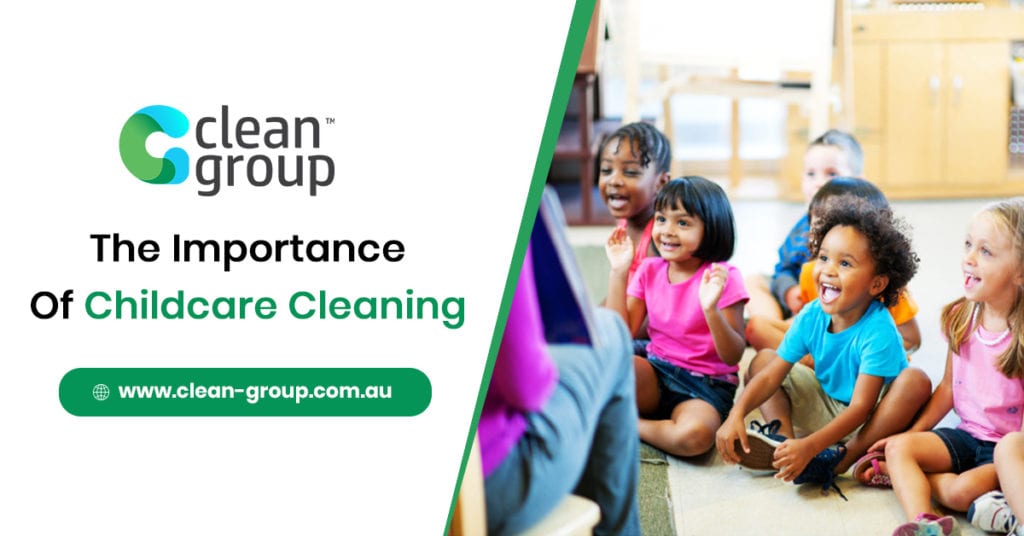
Children in long day care, family day care and preschool settings encounter more pathogens per hour than adults in a typical office. They share toys, mouth surfaces, sit on floors and have limited hand-hygiene awareness — creating an environment where gastroenteritis, hand-foot-and-mouth disease, conjunctivitis and respiratory infections spread rapidly. The NHMRC’s Staying Healthy guidelines confirm that rigorous environmental hygiene is the single most effective intervention for reducing infectious-disease transmission in early childhood education and care services. childcare cleaning Our childcare cleaning sydney team ensures top-quality results every time. Our childcare cleaning sydney team ensures top-quality results every time.
Regulatory Obligations Under the National Quality Framework
Every approved childcare service in Australia operates under the National Quality Framework (NQF), administered by ACECQA. Quality Area 2 — Children’s Health and Safety — requires centres to implement health practices and procedures that minimise the risk of illness and infection. Assessors evaluate hygiene routines, product choices and staff training during rating visits, and a low score in QA2 can pull an otherwise strong centre below the “Meeting” threshold. The Education and Care Services National Regulations (Chapter 4, Part 4.2) set the legal baseline: premises must be maintained in a condition that is safe, clean and well-kept at all times children are present.
Hand Hygiene Infrastructure and Compliance in Early Childhood Settings
Hand hygiene remains the single most effective infection prevention measure in childcare centres according to the NHMRC Staying Healthy in Child Care guidelines (5th edition). The document specifies that children and staff must wash hands with liquid soap and running water for at least 20 seconds at defined intervals — before and after eating, after toileting, after nose blowing, and after outdoor play. Centres seeking professional childcare centre cleaning in Sydney benefit from complementary hand hygiene audits that assess soap dispenser placement, paper towel accessibility, and sink-to-child ratios across each room. ACECQA assessors evaluating Quality Area 2 — Children’s Health and Safety — examine whether handwashing facilities are accessible at child height and whether visual prompts are displayed at each station.
| Hand Hygiene Checkpoint | NQF Requirement | Best Practice Standard |
|---|---|---|
| Soap dispensers | Liquid soap at every handwashing station | Alcohol-free foam soap to reduce skin irritation in children under five |
| Drying method | Single-use paper towels or air dryers | Paper towels preferred — NHMRC notes air dryers may spread aerosols |
| Sink height | Accessible to children without adult lifting | Step stools secured to prevent tipping per AS/NZS 8124 safety standards |
| Visual prompts | Handwashing steps displayed at child eye level | Pictorial guides for pre-literate children with multilingual text |
| Staff modelling | Educators demonstrate correct technique | Documented hand hygiene training records for QIP evidence |
Bathroom and Nappy Change Area Disinfection Protocols
Bathroom areas in childcare centres present the highest microbial risk due to faecal contamination pathways. The NHMRC guidelines require nappy change surfaces to be cleaned and disinfected after every single use using a two-step process: first clean with detergent and water to remove visible soil, then apply a TGA-registered disinfectant at the concentration specified on the product label. The Education and Care Services National Regulations 2011 (Regulation 112) mandate that nappy change facilities include a washable and impervious surface, a hands-free waste receptacle, and immediate access to handwashing facilities. SafeWork NSW requires Safety Data Sheets for all disinfectants to be stored on-site and accessible to staff within 30 seconds.
Toilet training areas require particular attention because toddlers in the 18-month to three-year age group have the highest incidence of gastroenteritis-related illness in centre-based care. High-touch surfaces surrounding toilet facilities — flush buttons, door handles, tap handles, and light switches — should be disinfected at minimum three times daily during operating hours. Centres that document these cleaning events with time-stamped sign-off sheets create verifiable evidence for ACECQA assessment visits under Quality Area 3, Element 3.1.2.
Seasonal Illness Prevention and Outbreak Response Cleaning
Childcare centres experience predictable seasonal illness peaks that demand adjusted cleaning intensity. Winter months bring increased respiratory syncytial virus and influenza transmission, while gastroenteritis outbreaks caused by norovirus and rotavirus spike during cooler months in New South Wales. The NHMRC recommends centres implement enhanced cleaning protocols during outbreak periods, including increasing surface disinfection frequency to every two hours for high-touch areas and using sodium hypochlorite solution at 1,000 parts per million for vomit and diarrhoea clean-ups — ten times the standard daily disinfection concentration.
NSW Health requires childcare centres to notify their local Public Health Unit when two or more children present with gastroenteritis symptoms within 48 hours, triggering formal outbreak management procedures. Centres with documented outbreak response cleaning protocols in their Quality Improvement Plan demonstrate proactive risk management to ACECQA assessors. Understanding how NSW regulatory changes affect cleaning expectations is also covered in our overview of the NSW star rating system for childcare centres, which links centre hygiene performance directly to publicly visible quality ratings.
Protecting Children’s Developing Immune Systems
Young immune systems are still building their antibody repertoire, which makes children more susceptible to infections that healthy adults shrug off. High-touch surfaces — door handles, light switches, cot rails, highchair trays, toy bins and bathroom taps — accumulate bacterial and viral loads throughout the day. Without structured disinfection schedules aligned with NHMRC recommendations, these surfaces become transmission vectors between children, educators and visiting families. Centres that record above-average illness notifications to their state public-health unit typically trace the root cause to inconsistent surface hygiene rather than a single outbreak event.
Floor and Play-Surface Hygiene
Infants and toddlers spend extended periods on the floor — crawling, rolling and placing objects in their mouths. Carpeted play areas trap dust mites, food particles and biological residue that standard mopping cannot address. HEPA-filtered vacuum equipment removes particulates down to 0.3 microns, while periodic hot-water extraction flushes embedded allergens from the carpet pile. Hard-floor zones require daily damp mopping with a neutral-pH detergent followed by disinfection of spill areas, with particular attention to nappy-change zones where faecal contamination risk is highest.
Choosing Low-Toxicity Products for a Safe Environment
Concentrated industrial disinfectants are inappropriate for spaces where children play on treated surfaces. GECA-certified (Good Environmental Choice Australia) and TGA-listed products formulated for early-childhood settings balance antimicrobial efficacy with low toxicity, minimal fragrance and reduced VOC emissions. Microfibre cloths and flat-mop systems further reduce chemical reliance — peer-reviewed testing shows quality microfibre removes up to 98 percent of surface bacteria with water alone. Colour-coded cloth systems (red for bathrooms, green for food areas, blue for general) prevent cross-contamination and satisfy the AS/NZS 4146 standard for laundry practice.
Frequently Asked Questions
Why is cleaning more important in childcare centres than in regular offices?
Children under five have developing immune systems that are less effective at fighting pathogens compared to adults. The NHMRC notes that children in group care settings experience higher rates of respiratory and gastrointestinal illness due to close physical contact, shared toys, and incomplete hygiene habits. Childcare centres must meet stricter cleaning standards under the National Quality Framework than standard commercial premises.
What cleaning products are safe to use around young children?
Products should be TGA-registered for disinfection claims and ideally carry GECA certification indicating low environmental and health impact. The NHMRC recommends avoiding aerosol sprays in occupied rooms due to respiratory irritation risks. Fragrance-free, low-VOC formulations reduce asthma triggers. All products must have current Safety Data Sheets stored on-site as required by SafeWork NSW under the Work Health and Safety Regulation 2017.
How often should high-touch surfaces be cleaned in a childcare centre?
The NHMRC Staying Healthy guidelines recommend cleaning and disinfecting high-touch surfaces such as door handles, light switches, taps, and shared equipment at least twice daily during standard operations. During illness outbreaks, this frequency should increase to every two hours. Nappy change surfaces require cleaning and disinfection after every single use regardless of whether soiling occurred.
What happens if a childcare centre fails a cleanliness inspection?
The NSW Department of Education can issue compliance directions requiring the centre to rectify identified issues within a specified timeframe. Persistent non-compliance may result in the service being rated as Working Towards or Significant Improvement Required under the NQS, which is published on the ACECQA Starting Blocks website visible to all families. Serious hygiene failures can trigger emergency action notices or suspension of the service approval.
Should childcare centres hire professional cleaners or use in-house staff?
Professional cleaning companies with childcare-specific training deliver more consistent results because their staff understand NHMRC infection control requirements, TGA-registered product protocols, and ACECQA assessment expectations. In-house cleaning by educators can create conflicts with supervision ratios required under Regulation 123 of the Education and Care Services National Regulations 2011. Many centres use a hybrid model with educators handling routine surface wipes during operating hours and professional cleaners performing thorough daily and periodic deep cleans.
About Clean Group
Clean Group is a Sydney-based commercial cleaning company providing specialist childcare centre cleaning services across New South Wales. Our teams are trained in ACECQA compliance requirements and follow NHMRC infection control guidelines. We use TGA-registered disinfectants and GECA-certified products to maintain the highest hygiene standards in early childhood education environments.
Phone: 02 9160 7469
Address: Suite 1B, 189 Kent Street, Sydney NSW 2000
Building Parent Confidence and Centre Reputation
Parents evaluate a childcare centre the moment they walk through the door. Visible hygiene — spotless bathrooms, fresh-smelling play rooms, organised storage — signals professionalism and care before a single word is spoken. Centres that can present documented maintenance schedules, product SDS files and staff training records during parent tours convert enquiries into enrolments at a higher rate. Those same records streamline ACECQA assessment preparation, reducing the administrative burden on centre directors during rating cycles.
Clean Group’s childcare division operates across Sydney, Melbourne and Brisbane with programs built around the NHMRC Staying Healthy framework and NQS Quality Area 2 benchmarks. Every engagement includes GECA-aligned low-toxicity products, HEPA-grade equipment, colour-coded microfibre systems and documented compliance reporting — giving centre operators the confidence that their hygiene standards will satisfy both parents and assessors. Reach out today for a tailored hygiene program designed around your centre’s layout, enrolment numbers and operating hours.
For more helpful insights, explore our guide on keeping childcare spaces safe and clean.
For more helpful insights, explore our guide on keeping childcare spaces safe and clean.
About the Author

Stephen Matthews
Hi, my name is Steve. I have been working as a Regional Operations Manager in Sydney Clean Group for almost four years now and manage a team of 10. I have more than three decades of experience in the commercial cleaning industry. My responsibilities include the day-to-day management of cleaning operations, planning, online quotation to clients, managing cleaners’ performance, collecting clients\' feedback, and ensuring proper & regular maintenance of cleaning equipment. Get in touch for a quick chat about your cleaning needs.
Read More About Stephen 0291607469
 Get A Quote