How to Create a Cleaning Schedule for Childcare Centers
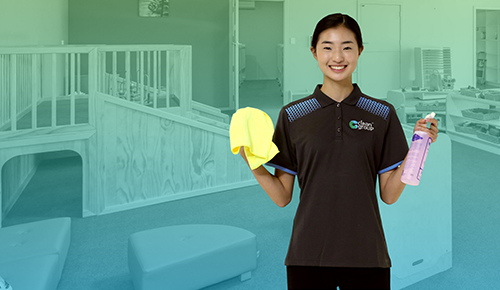
Maintaining a clean and hygienic environment is paramount in childcare centers to ensure the health and safety of young children. However, with the bustling activities and constant care needed for the little ones, it can be challenging to stay on top of maintenance tasks. That’s where a well-structured maintenance schedule comes into play. Here, we’ll look at the essential steps and considerations for creating an effective maintenance schedule tailored specifically for childcare centers. From daily sanitization routines to weekly deep cleans, we’ll explore how to strike the right balance between cleanliness and childcare activities. Whether you’re a childcare center owner, manager, or staff member, implementing a systematic maintenance schedule not only promotes a healthier environment but also fosters a sense of organization and responsibility within the center. Join us as we navigate through the process of crafting a maintenance schedule that prioritizes the well-being of the little ones under your care. childcare cleaning Our childcare centre cleaning sydney team ensures top-quality results every time.
Keeping Kids Healthy: Steps to Develop a Cleaning Routine for Childcare Facilities
Maintaining a clean and sanitary environment is paramount in childcare facilities. Not only does it promote the health and well-being of the children, but it also creates a safe and inviting atmosphere for families. Establishing an effective cleaning routine is key to upholding these standards. In this guide, we’ll explore step-by-step how to develop a maintenance schedule tailored specifically to childcare centers, ensuring the health and happiness of the little ones in your care.
Assess Your Facility’s Needs
Begin by conducting a thorough assessment of your childcare center. Identify high-traffic areas, frequently touched surfaces, and areas prone to messes. This assessment will help you determine where cleaning efforts should be focused and how often certain tasks need to be performed.
Establish sanitation protocols
Develop clear sanitation protocols that outline specific tasks, frequencies, and responsibilities for staff members. This could include daily tasks such as disinfecting toys and surfaces, as well as weekly or monthly tasks like deep cleaning carpets or sanitizing play areas. Make sure these protocols are easily accessible to all staff members.
Choose Safe and Effective hygiene products
Select hygiene products that are safe for children and effective against germs and bacteria. Look for non-toxic, eco-friendly options that are approved for use in childcare settings. Be sure to follow manufacturer instructions for proper dilution and application to ensure maximum effectiveness.
See our guide on childcare cleaning.
Create a maintenance schedule
Based on your facility assessment and sanitation protocols, create a comprehensive maintenance schedule. Assign specific tasks to designated staff members and allocate time for both daily maintenance and more intensive cleaning sessions. Consider factors such as peak hours of activity and nap times when scheduling tasks to minimize disruption.
Implement Daily Maintenance Routines
Establish daily maintenance routines to keep your childcare center clean and tidy throughout the day. This may include tasks such as wiping down surfaces after meals and snacks, sanitizing bathrooms regularly, and emptying trash bins. Encourage staff members to incorporate maintenance tasks into their daily routines to maintain a clean environment at all times.
Frequency Benchmarks: Daily, Weekly, and Periodic Cleaning Tasks for Childcare Centres
An effective cleaning schedule for childcare centres must specify task frequency based on infection risk rather than convenience. The NHMRC Staying Healthy in Child Care guidelines (5th edition) categorise cleaning tasks by required frequency, and ACECQA assessors reviewing Quality Area 3 expect to see documented schedules that reflect these evidence-based benchmarks. Centres that engage professional childcare centre cleaning in Sydney can align their schedules with nationally recognised standards while freeing educators to focus on curriculum delivery rather than cleaning duties.
| Task Category | Frequency | Regulatory Basis |
|---|---|---|
| Nappy change surface disinfection | After every use | NHMRC two-step clean then disinfect protocol |
| High-touch surface wipe-down (door handles, light switches, taps) | Minimum twice daily; every 2 hours during outbreaks | NHMRC Staying Healthy guidelines |
| Bathroom deep clean including toilets, sinks, floors | Daily (end of day minimum) | Education and Care Services National Regulations, Reg 103 |
| Toy and equipment sanitisation | Weekly for general items; immediately if mouthed or soiled | NHMRC guidelines; ACECQA QA3 Element 3.1.2 |
| Carpet deep extraction and upholstery cleaning | Quarterly or as needed after spills/illness | AS/NZS 3733 textile floor coverings maintenance |
| Air conditioning filter cleaning and duct inspection | Quarterly | AS/NZS 1668.2 mechanical ventilation requirements |
Assigning Cleaning Responsibilities: Educator Roles Versus Professional Cleaning Teams
One of the most common scheduling failures in childcare centres is assigning cleaning tasks to educators without accounting for supervision ratio requirements. Regulation 123 of the Education and Care Services National Regulations 2011 mandates specific educator-to-child ratios that cannot be breached — one educator per four children for birth to 24 months, one per five for 24 to 36 months, and one per eleven for preschool-aged children. When educators leave the floor to perform cleaning tasks, the centre risks non-compliance with these ratios, which ACECQA assessors and NSW Department of Education authorised officers check during both scheduled and unannounced visits.
A practical scheduling model divides responsibilities into two tiers. The first tier covers routine maintenance tasks that educators perform during normal operations without leaving their supervision zone — wiping meal tables between sittings, spot-cleaning visible spills, and monitoring hand hygiene stations. The second tier covers all tasks requiring dedicated time away from children — bathroom deep cleans, floor mopping, kitchen sanitisation, and equipment disinfection — which should be assigned to a dedicated cleaning staff member or outsourced to a professional cleaning provider. This division ensures compliance with both NQF supervision requirements and QA3 cleaning standards simultaneously.
Digital Scheduling Tools and Documentation for ACECQA Compliance
Paper-based cleaning checklists remain common in Australian childcare centres but present significant limitations for compliance documentation. Handwritten logs are difficult to audit, prone to retrospective completion, and cannot generate the trend data that strengthens a Quality Improvement Plan. Digital scheduling platforms designed for early childhood services allow real-time task logging with timestamps, photo verification of completed work, and automatic report generation for assessment and rating preparation.
When selecting a digital scheduling system, centres should prioritise features that align with ACECQA documentation expectations: the ability to record which staff member completed each task, timestamp accuracy to the minute, integration with incident reporting for illness-related cleaning escalations, and exportable reports that can be included in the QIP. SafeWork NSW also recommends digital chemical registers that link Safety Data Sheets to specific cleaning tasks, ensuring WHS compliance documentation sits alongside cleaning records. For broader strategies on maintaining consistent cleaning standards throughout the week, our guide to maintaining cleanliness in a childcare centre provides complementary frameworks that integrate with structured scheduling approaches.
Safeguarding Little Ones: Building a Comprehensive maintenance schedule for Childcare Facilities
In childcare facilities, the health and safety of children are top priorities. One of the most effective ways to safeguard little ones is by implementing a comprehensive maintenance schedule. A well-planned cleaning routine not only prevents the spread of germs and illnesses but also creates a nurturing environment where children can thrive. In this guide, we’ll explore how to build a thorough maintenance schedule tailored specifically to childcare facilities, ensuring the well-being of the youngest members of your community.
Assess Facility Needs
Start by conducting a detailed assessment of your childcare facility. Identify high-traffic areas, commonly used surfaces, and areas prone to messes. This assessment will help you prioritize maintenance tasks and allocate resources effectively.
Define sanitation protocols
Establish clear sanitation protocols that outline specific tasks, frequencies, and responsibilities for staff members. This includes daily tasks such as disinfecting toys and surfaces, as well as weekly or monthly tasks like deep cleaning play areas and sanitizing nap mats. Ensure that all staff members are trained on these protocols and understand their importance.
Select Safe and Effective hygiene products
Choose hygiene products that are safe for children and effective against germs and bacteria. Opt for non-toxic, eco-friendly options that are approved for use in childcare settings. Be sure to follow manufacturer instructions for proper dilution and application to maximize effectiveness while minimizing risk.
Develop a maintenance schedule
Based on your facility assessment and sanitation protocols, develop a comprehensive maintenance schedule. Assign specific tasks to designated staff members and establish frequencies for each task. Consider factors such as peak activity times and nap schedules when scheduling cleaning activities to minimize disruption.
Implement Daily Maintenance Routines
Incorporate daily maintenance routines into your maintenance schedule to keep the facility clean and sanitary throughout the day. This may include tasks such as wiping down surfaces, sanitizing bathrooms, and emptying trash bins. Encourage staff members to proactively address spills and messes as they occur to maintain a tidy environment.
From Playtime to Cleanup: Structuring a maintenance schedule for Childcare Success
In childcare centers, transitioning smoothly from playtime to cleanup is essential for maintaining a safe and hygienic environment. A well-structured maintenance schedule ensures that children can enjoy their playtime while also keeping the facility clean and sanitized. In this guide, we’ll outline key points to consider when developing a maintenance schedule that promotes childcare success.
- Identify High-Traffic Areas: Determine which areas of the childcare center experience the most activity and prioritize cleaning efforts accordingly.
- Establish Clear Protocols: Define specific maintenance tasks and responsibilities for staff members to ensure consistency and thoroughness in maintaining cleanliness standards.
- Choose Safe hygiene products: Select hygiene products that are safe for children and effective against germs and bacteria to promote a healthy environment.
- Incorporate Daily Maintenance: Implement daily maintenance routines to address immediate cleaning needs and maintain a tidy environment throughout the day.
By structuring a comprehensive maintenance schedule that encompasses playtime and cleanup, childcare centers can create a safe, healthy, and nurturing environment for children to learn and grow.
Frequently Asked Questions
What should a childcare cleaning schedule include at minimum?
A compliant schedule must cover daily tasks (bathroom sanitisation, high-touch surface disinfection, kitchen cleaning, floor mopping), weekly tasks (toy and equipment sanitisation, detailed dusting, bin deep clean), and periodic tasks (carpet extraction, air conditioning maintenance, window cleaning). Each task should list the responsible person, required products with SDS references, and a sign-off field. The NHMRC Staying Healthy guidelines and ACECQA Quality Area 3 requirements form the baseline for task inclusion.
How do you adjust a cleaning schedule during a gastro outbreak?
During a gastroenteritis outbreak, increase high-touch surface disinfection to every two hours using sodium hypochlorite at 1,000 parts per million. Remove shared sensory play materials such as playdough and sand. Implement single-use paper towels at all stations if cloth towels are normally used. The NSW Public Health Unit must be notified when two or more cases occur within 48 hours, and the enhanced cleaning schedule should be documented as part of the outbreak response for ACECQA records.
Can educators be responsible for cleaning while supervising children?
Educators can perform routine spot-cleaning tasks — wiping tables, managing spills, monitoring handwashing — without leaving their supervision zone. However, tasks that require dedicated time away from children, such as bathroom deep cleans or floor mopping, must not compromise educator-to-child ratios mandated by Regulation 123 of the Education and Care Services National Regulations 2011. These tasks should be assigned to non-contact staff or professional cleaning teams.
How often should outdoor play equipment be cleaned in childcare?
Outdoor play equipment should be visually inspected and spot-cleaned daily, with a thorough clean using appropriate detergent at least weekly. After rain, check for pooled water in tyre swings or equipment hollows, which can harbour mosquito larvae and bacterial growth. Sandpit sand should be raked daily, covered overnight, and replaced every 12 months or immediately if contaminated by animal faeces. AS/NZS 4685 covers playground equipment safety, including surface maintenance requirements.
What documentation do ACECQA assessors expect for cleaning schedules?
Assessors reviewing Quality Area 3 expect to see a written cleaning schedule displayed in each room, completed sign-off records for at least the current term, evidence of staff training in infection control aligned with NHMRC guidelines, a chemical register with current Safety Data Sheets for all products, and cleaning-related goals documented in the Quality Improvement Plan. Digital records with timestamps and photo verification provide stronger evidence than handwritten checklists.
About Clean Group
Clean Group is a Sydney-based commercial cleaning company providing specialist childcare centre cleaning services across New South Wales. Our teams are trained in ACECQA compliance requirements and follow NHMRC infection control guidelines. We use TGA-registered disinfectants and GECA-certified products to maintain the highest hygiene standards in early childhood education environments.
Phone: 02 9160 7469
Address: Suite 1B, 189 Kent Street, Sydney NSW 2000
Conclusion
At Clean Group in Sydney, we understand the paramount importance of maintaining a pristine environment in childcare centers to ensure the well-being of children. Through meticulous planning and organization, we have outlined a guide on how to create an effective maintenance schedule tailored specifically for childcare facilities. By adhering to this schedule, we not only uphold the highest standards of cleanliness and hygiene but also contribute to providing a safe and nurturing environment conducive to the growth and development of every child in our care.
For more helpful insights, explore our guide on childcare cleaning tips healthy environment center.
About the Author

Suji Siv
/


Hi, I'm Suji Siv, the founder, CEO, and Managing Director of Clean Group, bringing over 25 years of leadership and management experience to the company. As the driving force behind Clean Group’s growth, I oversee strategic planning, resource allocation, and operational excellence across all departments. I am deeply involved in team development and performance optimization through regular reviews and hands-on leadership.
Read More About Suji 0291607469
 Get A Quote