The Benefits of Hiring Professional Warehouse Cleaners
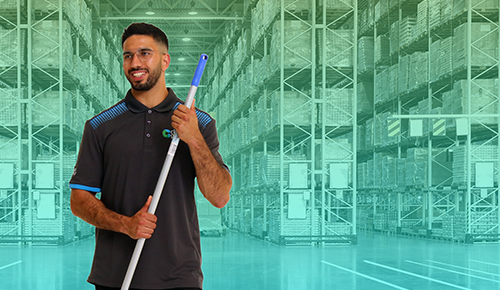
Hiring professional warehouse cleaners directly reduces workplace accidents, regulatory penalties, and operational downtime — making it one of the highest-return investments a warehouse operator can make in Sydney. cleaning services
Whether you manage a logistics distribution centre, a cold-storage facility, or a bulk-goods storage depot, the complexity of maintaining cleanliness scales with your operation. A reactive approach — cleaning only when visible problems appear — consistently underperforms the structured, scheduled model that professional cleaning contractors deliver.
Why Warehouse Cleanliness Is a Business-Critical Function
Warehouses operated under Australia’s Work Health and Safety Act 2011 (WHS Act) carry a primary duty of care to workers. Safe Work Australia data identifies slips, trips, and falls as among the leading causes of workplace injuries in storage and warehousing. A large portion of these incidents are directly attributable to unaddressed floor contamination, spills, and cluttered aisles.
Professional cleaners treat cleanliness as a systematic risk-management function, not a cosmetic one. This shift in framing changes how cleaning integrates with your broader operational health and safety (OHS) program.
Beyond compliance, clean facilities support faster inventory throughput, reduce product contamination claims, and lower staff turnover — all measurable financial outcomes.
Safety Benefits of Professional Warehouse Cleaning
Just as businesses benefit from expert Office Cleaning to maintain safe, compliant commercial environments, warehouse operators gain the same structural advantage when they bring in trained professionals.
Elimination of Slip, Trip, and Fall Hazards
Wet floors, oil residue, shrink-wrap offcuts, and pallet debris are persistent hazards in active warehouses. Professional cleaners use ride-on floor scrubbers, industrial wet vacuums, and non-slip floor treatments to maintain surfaces to a standard that internal staff rarely achieve under production pressure.
They also implement scheduled inspections between cleaning cycles, ensuring that new spills are flagged and addressed before they cause incidents.
Fire Risk Reduction Through Dust and Debris Control
Accumulated dust on racking, conveyor systems, and high bays is a documented ignition risk — particularly in environments handling paper, cardboard, textiles, or combustible powders. Professional cleaning teams use HEPA-filtered industrial vacuums and electrostatic dusting equipment to extract fine particulate from elevated surfaces.
This directly supports compliance with the Building Code of Australia (BCA) and AS 1680 interior lighting standards, both of which intersect with fire safety obligations.
Clear Emergency Egress and Evacuation Routes
Blocked emergency exits and cluttered evacuation routes are among the most common WHS Act violations identified during workplace inspections by SafeWork NSW. Professional cleaners maintain documented logs of aisle and exit clearances, creating an auditable record that supports due-diligence obligations for warehouse managers.
Mitigation of Forklift and MHE Interaction Risks
See our guide on warehouse cleaning.
Material handling equipment (MHE) — including forklifts, order-pickers, and reach trucks — operates safely only on clean, clearly marked floor surfaces. Debris, pooled liquids, and faded line markings increase collision risk significantly. Cleaning contractors coordinate with warehouse management systems (WMS) to schedule floor cleaning during shift changeovers, minimising disruption while maximising safety outcomes.
Health and Hygiene Benefits
Professional warehouse cleaning also provides an important parallel to domestic environments. Just as a Residential Cleaning Service removes allergens and pathogens from living spaces to protect occupant health, professional warehouse cleaners protect workers from occupational health risks tied to contaminated surfaces and poor air quality.
Improved Indoor Air Quality
Warehouses with high pallet throughput accumulate wood dust, cardboard fibres, and diesel particulate from internal combustion forklifts. Over time, these contaminants degrade indoor air quality to levels that trigger respiratory conditions — including occupational asthma — covered under Safe Work Australia’s Workplace Exposure Standards (WES).
HEPA-filtered vacuuming, combined with scheduled ventilation duct cleaning, measurably reduces airborne particulate counts. This supports both regulatory compliance and reduced absenteeism.
Cross-Contamination Prevention in Multi-Commodity Facilities
Warehouses handling food products, pharmaceuticals, or medical devices alongside general goods face strict cross-contamination obligations under HACCP (Hazard Analysis and Critical Control Points) and the Food Standards Australia New Zealand (FSANZ) framework. Professional cleaners trained in these protocols use colour-coded sanitation equipment, defined cleaning zones, and verified sanitisation products to prevent contamination events that could trigger costly product recalls.
Pest Prevention Through Sanitation
Rodents, cockroaches, and stored-product insects are attracted to food residue, moisture, and clutter. Professional cleaning removes harborage points and food sources that sustain pest populations. This works in conjunction with licensed pest management contractors and supports compliance with Australian Standard AS 3544 for pest control in food handling areas.
Reduction of Allergen Exposure
Pollen, dust mite frass, and mould spores accumulate in warehouses with poor ventilation or irregular maintenance schedules. Workers with sensitisation to these allergens experience higher rates of sick leave and reduced productivity. Routine professional cleaning — including attention to racking undersides, loading dock seals, and roof void access areas — addresses the sources rather than the symptoms.
Operational and Productivity Benefits
Inventory Integrity and Damage Prevention
Dust, moisture, and pest activity degrade stored goods. In pharmaceutical, electronics, and fast-moving consumer goods (FMCG) warehousing, even minor contamination can render an entire batch unsellable. Professional cleaners implement sanitation protocols that protect product zones — a direct contribution to inventory shrinkage reduction.
Workflow Optimisation Through Organised Space
A clean, well-organised warehouse enables faster pick-and-pack cycles, reduced mis-picks, and more accurate stock counts. Professional cleaners maintain aisle clarity and floor marking legibility, which directly supports the efficiency of warehouse management systems (WMS) such as SAP Extended Warehouse Management and Manhattan Associates.
Equipment Longevity
Dust ingress is a primary cause of premature failure in conveyor motors, automated storage and retrieval systems (ASRS), and HVAC units. Scheduled professional cleaning of mechanical and electrical infrastructure extends equipment service life and reduces unplanned maintenance expenditure — measurable through mean time between failures (MTBF) metrics.
Regulatory Compliance Advantages
| Regulation / Standard | Relevance to Warehouse Cleaning |
|---|---|
| Work Health and Safety Act 2011 | Primary duty of care — requires hazard elimination |
| Safe Work Australia WES | Indoor air quality and airborne contaminant limits |
| HACCP Framework | Sanitation protocols for food-adjacent facilities |
| FSANZ Food Standards Code | Cleaning requirements for food storage environments |
| Building Code of Australia (BCA) | Fire safety — combustible dust and debris management |
| SafeWork NSW Inspections | Auditable cleaning records support compliance defence |
| AS 3544 Pest Control Standards | Sanitation as first line of pest prevention |
Professional cleaning contractors operating in Sydney maintain documentation of maintenance schedules, products used (including Safety Data Sheets / SDS), and inspection outcomes. This creates an auditable compliance record that protects warehouse operators during SafeWork NSW investigations or insurance claims.
Tailored hygiene solutions for Different Warehouse Types
Not all warehouses share the same cleaning requirements. The approach differs significantly by facility type.
| Warehouse Type | Key Cleaning Priorities |
|---|---|
| Cold Storage / Refrigerated | Condensation management, mould prevention, hygienic surfaces |
| FMCG Distribution Centre | HACCP compliance, high-frequency floor cleaning, pest control |
| E-Commerce Fulfilment | Dust control, aisle marking maintenance, conveyor cleaning |
| Pharmaceutical / Medical | Sterile zone maintenance, validated cleaning agents, audit trails |
| Heavy Industrial / Manufacturing | Oil and chemical spill management, mechanical area degreasing |
| Logistics / Third-Party (3PL) | Multi-client zone separation, flexible scheduling, WMS integration |
Clean Group conducts a site assessment before engaging on any warehouse contract in Sydney. The assessment maps facility zones, identifies high-risk areas, and produces a customised cleaning specification that aligns with your operating schedule and compliance obligations.
Why In-House Cleaning Teams Consistently Underperform
Many warehouse operators attempt to manage cleaning with internal staff. This approach carries several structural disadvantages.
In-house staff prioritise production tasks when workloads peak, meaning cleaning is deferred precisely when it is most needed. They also lack access to commercial-grade equipment such as ride-on scrubber-dryers, industrial pressure washers, and electrostatic sprayers that professional contractors deploy routinely.
Training gaps are another factor. Correct dilution ratios for industrial cleaning chemicals, safe handling of biohazard waste, and confined-space sanitation procedures require specialist knowledge that general warehouse staff are not routinely trained in.
Professional contractors also carry public liability insurance and workers’ compensation coverage, transferring risk away from the warehouse operator in the event of a cleaning-related incident.
The NDIS Connection: sanitation standards in Shared and Care Environments
For warehouses or facilities connected to NDIS service delivery — including storage of NDIS equipment, consumables, or support materials — maintaining documented sanitation standards aligns with NDIS Quality and Safeguards Commission requirements. The NDIS Maintenance Guide outlines how professional cleaning and maintenance protocols integrate with NDIS provider obligations, a consideration relevant to any facility supporting disability services in NSW.
Cleaning Frequency Recommendations by Warehouse Activity Level
| Activity Level | Daily | Weekly | Monthly | Quarterly |
|---|---|---|---|---|
| High-volume FMCG (>500 picks/day) | Floor sweep + mop, loading dock clean | Full floor scrub, racking dust | Deep clean all zones, duct inspection | Pest prevention treatment, roof void clean |
| Medium-volume distribution | Floor sweep, spill response | Floor scrub, aisle marking check | Racking dust, toilet and amenity deep clean | Full facility inspection, equipment clean |
| Low-volume storage | Floor sweep | Spot mop, general tidy | Full floor scrub, amenity clean | Deep clean, exterior and loading area |
5 Frequently Asked Questions About Professional Warehouse Cleaning
1. How often should a warehouse be professionally cleaned? Cleaning frequency depends on throughput volume, the goods being stored, and regulatory obligations. High-volume FMCG and food-adjacent warehouses typically require daily floor maintenance and weekly deep cleans. Lower-activity storage facilities may operate on weekly and monthly cycles. Clean Group assesses each site individually and recommends a frequency schedule based on operational data.
2. What sanitation equipment do professional warehouse cleaners use? Professional warehouse cleaning typically uses ride-on scrubber-dryers (such as Tennant or Nilfisk models), industrial wet/dry vacuums with HEPA filtration, high-pressure washers, electrostatic sprayers for sanitisation, and specialist racking dusters for elevated surfaces. This equipment is not cost-effective for most operators to own outright, making outsourcing the economically rational choice.
3. Can professional cleaning reduce our workplace injury rate? Yes — and this is documented. Slip, trip, and fall incidents are among the most common warehouse injuries in Australia, and the majority involve preventable floor hazards. Scheduled professional floor cleaning with non-slip treatments directly addresses the primary cause. Facilities with structured cleaning programs consistently report lower incident rates than those relying on reactive cleaning.
4. Are professional warehouse cleaners trained to handle hazardous materials? Reputable cleaning contractors employ staff trained in hazardous substance handling under Safe Work Australia guidelines. This includes correct use of Safety Data Sheets (SDS), personal protective equipment (PPE) selection, and waste disposal procedures. Clean Group staff hold relevant industry certifications and are trained in chemical handling protocols applicable to warehouse environments.
5. How does Clean Group minimise disruption to warehouse operations during cleaning? Clean Group schedules cleaning activities around your operational shifts — including overnight cleaning, shift-changeover cleans, and weekend deep cleans. The scheduling process integrates with your existing WMS or shift roster to ensure cleaning crews are deployed without interrupting pick-and-pack, receiving, or dispatch activities.
About Clean Group Sydney
Clean Group is a professional commercial cleaning company based in Sydney, holding ISO accreditations and operating across Sydney, Melbourne, and Brisbane. Clean Group warehouse cleaning services cover floor sweeping, scrubbing, racking dusting, loading dock sanitation, amenities cleaning, and high-pressure washing.
Address: 1b L1, 299 Elizabeth St, Sydney NSW 2000 Phone: 02 9160 7469 Email: sales@clean-group.com.au Hours: Monday – Sunday, 24 Hours
Clean Group’s warehouse cleaning services are backed by a 100% satisfaction guarantee. Contact the team for a site assessment and customised cleaning quote.
About the Author

Suji Siv
/


Hi, I'm Suji Siv, the founder, CEO, and Managing Director of Clean Group, bringing over 25 years of leadership and management experience to the company. As the driving force behind Clean Group’s growth, I oversee strategic planning, resource allocation, and operational excellence across all departments. I am deeply involved in team development and performance optimization through regular reviews and hands-on leadership.
Read More About Suji 0291607469
 Get A Quote