Learn What Parents Appreciate About Child Care Cleaning
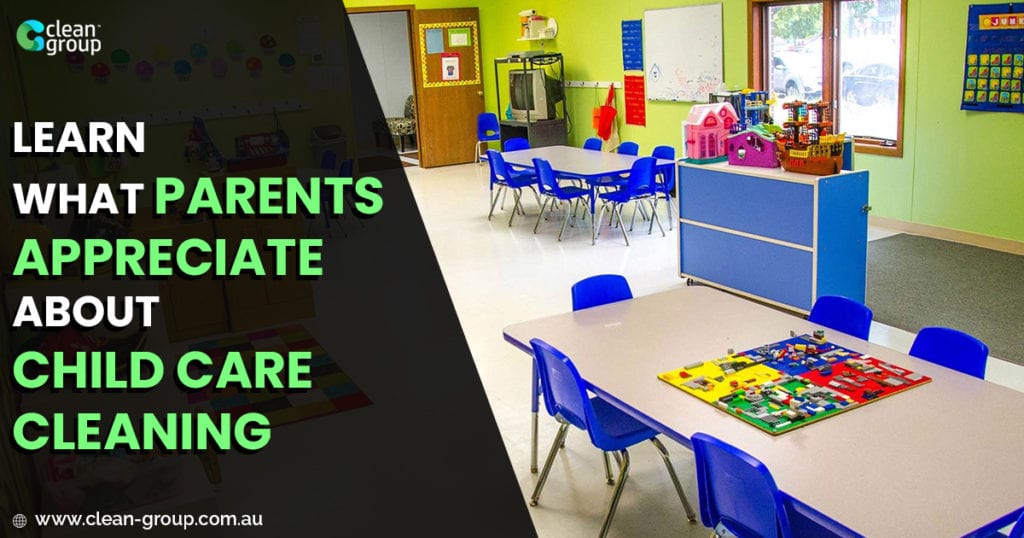
Parents choosing a childcare centre weigh hygiene just as heavily as curriculum and staff qualifications. A visibly clean, well-maintained facility reassures families that their children are in a safe environment. For childcare operators in Sydney and across Australia, professional cleaning is not just about appearance — it is a compliance requirement under the National Quality Framework (NQF) and a direct factor in reducing illness among children whose immune systems are still developing. childcare cleaning childcare cleaning Our childcare sanitation services team ensures top-quality results every time.
Why Hygiene Matters More in Early Childhood Settings
Children under five have immature immune systems that make them more vulnerable to infections than adults. In a group care setting, babies crawl on floors, toddlers share toys, and everything from crayons to building blocks ends up in small mouths. Pathogens such as rotavirus, hand-foot-and-mouth disease (caused by Coxsackievirus), respiratory syncytial virus (RSV), and gastroenteritis-causing norovirus spread rapidly through direct contact and contaminated surfaces.
The NHMRC publication “Staying Healthy: Preventing Infectious Diseases in Early Childhood Education and Care Services” identifies environmental cleaning as one of the primary control measures for reducing transmission in childcare centres. Parents understand this instinctively. When one child falls ill and a wave of sickness follows, families notice — and they remember.
Meeting National Quality Framework Standards
Under the NQF, childcare centres are assessed against the National Quality Standard (NQS). Quality Area 2 — Children’s Health and Safety — requires services to implement effective hygiene practices that safeguard children’s wellbeing. Element 2.1.2 specifically addresses health practices and procedures, including cleaning, sanitising, and infection control. See our guide on gym cleaning.
Quality Area 3 — Physical Environment — also applies, as it covers the maintenance and upkeep of indoor and outdoor spaces. Centres that fall short during assessment and rating visits conducted by the Australian Children’s Education and Care Quality Authority (ACECQA) risk receiving a “working towards” rating, which is publicly visible to parents searching for care.
A professional cleaning provider familiar with NQF requirements ensures that documented cleaning schedules, product safety data sheets, and infection control procedures are in place and audit-ready at all times.
Toy and Surface Sanitisation Protocols
Toys that children place in their mouths must be cleaned and disinfected after each use or, at minimum, daily. Shared items such as play dough, sand pit equipment, and dress-up costumes require cleaning on a scheduled rotation. Hard plastic toys can be sanitised in a commercial dishwasher or wiped with a TGA-approved disinfectant and allowed to air dry.
High-touch surfaces — door handles, light switches, cot rails, highchair trays, and nappy change stations — need disinfection multiple times per day. The accepted practice in Australian early childhood settings follows a “clean then disinfect” sequence: first remove visible soil with warm water and detergent, then apply a disinfectant with the correct contact time as specified by the manufacturer.
Nappy Change Areas and Bathroom Hygiene
Nappy change areas are among the highest-risk zones in any childcare centre. Faecal matter can harbour harmful organisms including Salmonella, Giardia, and Hepatitis A. The change surface must be cleaned and disinfected after every single nappy change, with disposable coverings replaced each time.
Bathrooms used by older children need attention at least twice daily, with additional spot cleans after busy periods. Floors, toilet seats, tap handles, and soap dispensers all require regular sanitisation. Cleaning staff should wear gloves and follow proper hand hygiene procedures before and after each task, consistent with NHMRC recommended practices.
Safe Products That Protect Children
Parents are rightly concerned about chemical exposure. Children breathe closer to the floor, have thinner skin, and are more sensitive to volatile organic compounds (VOCs) than adults. Professional childcare cleaning providers should use low-toxicity, fragrance-free products that carry certifications such as Good Environmental Choice Australia (GECA) or equivalent eco-labels.
All products used in a childcare setting should dry completely before children re-enter the space. Safety data sheets must be kept on file and accessible to both staff and parents on request, which is a requirement under Safe Work Australia’s workplace chemical management regulations.
What Parents Notice and Why It Builds Trust
Parents form impressions quickly. Clean windows, streak-free floors, fresh-smelling bathrooms, and neatly organised play areas all signal that a centre takes its duty of care seriously. Conversely, sticky highchairs, overflowing bins, or stained carpets raise immediate concerns about what else might be overlooked.
Online reviews on Google and social media platforms frequently mention cleanliness as a deciding factor when recommending or warning other parents about a centre. Investing in professional cleaning is one of the most visible and cost-effective ways for childcare operators to strengthen parent confidence, reduce sick days across the centre, and maintain the NQF rating that families rely on when choosing care for their children.
For more helpful insights, explore our guide on complete guide childcare centre cleaning services.
About the Author

Suji Siv
/


Hi, I'm Suji Siv, the founder, CEO, and Managing Director of Clean Group, bringing over 25 years of leadership and management experience to the company. As the driving force behind Clean Group’s growth, I oversee strategic planning, resource allocation, and operational excellence across all departments. I am deeply involved in team development and performance optimization through regular reviews and hands-on leadership.
Read More About Suji 0291607469
 Get A Quote